It’s 2 pm on a Wednesday in Komapanna Vidiya. The sun beats down, reflecting off the crumbling shophouses and the looming flyover, yet everyone rushes about, unfazed by the heat. Wedged between a liquor store and a kadé, I make my way up the stairs to the ‘gram store’. The security guard smiles knowingly before sliding open the shelf, which doubles as a trap door. I walk through the heavy burgundy velvet curtains, into the cool, dark, quiet den of Kampong, Colombo’s newest speakeasy.
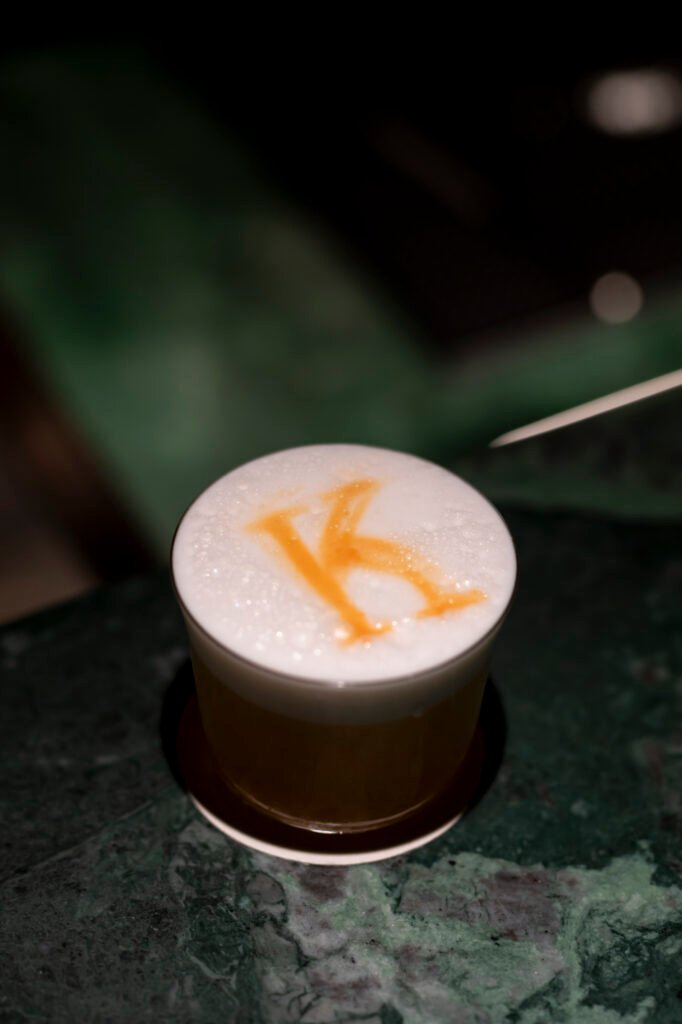
I’m handed a Kompanni Sour, a glowing thambili-coloured drink made with a blend of Old Reserve Arrack, sticky-sweet kithul, and a bright squeeze of lime, topped with a thick, frothy foam. Not usually a fan of sours, I take a sip warily. The drink has a sharp, floral-meets-citrus flavour, followed by a smoky sweetness that lingers. It tastes like it could only have been made here.
Order a cocktail in London, New York, Tokyo, or even Colombo, and there’s a good chance it arrives in the same glass, in the same kind of bar, made from the same shortlist of spirits. The world has become remarkably good at making the same drink everywhere.
Globalisation gave us consistency, but it also sanded away some of the specificity that made a place taste like itself. Sri Lanka hasn’t been immune to this.
Yet, there are bars on this island where a drink still feels like it could only have been made here. Where the ingredients in the glass are grown close to home and the flavours resist neat translation into any international menu description. These bars are asking a question that’s harder than it sounds: what does a Sri Lankan cocktail actually taste like?
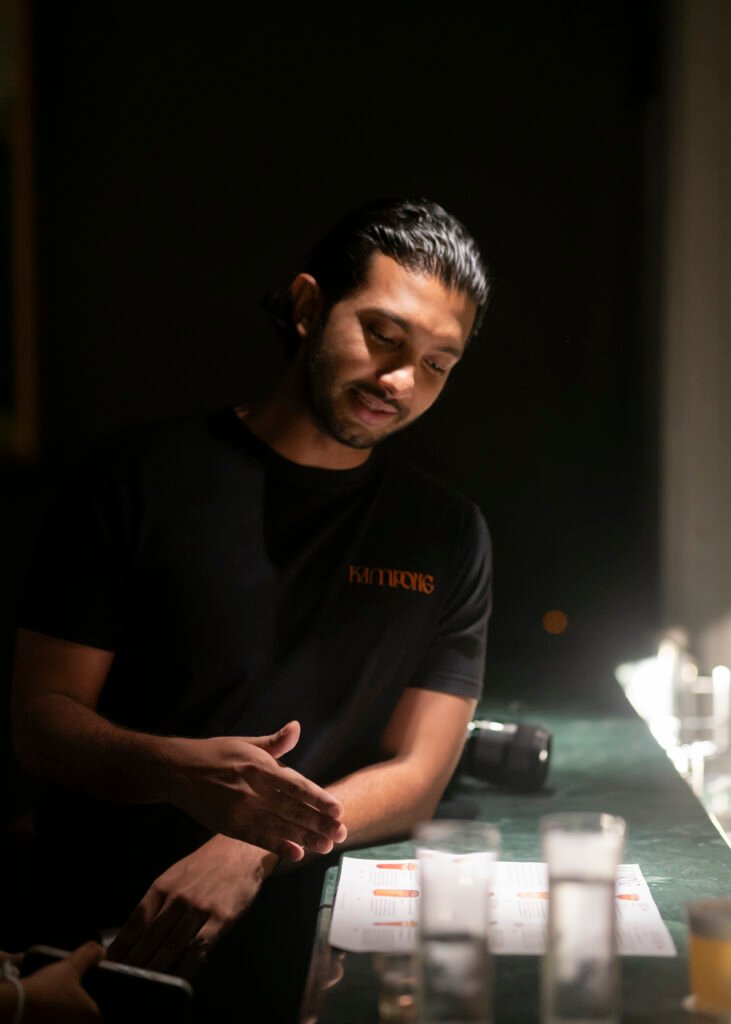
After I settle in, Nelaka Dayawansa — who, alongside his brothers, opened GINI, a restaurant that has reshaped Colombo’s dining scene over the past three years — joins me. Kampong is their latest venture, and its cocktail programme is entirely his creation. “I try to incorporate as many local ingredients as possible,” he says. Whether it’s a fruit, vegetable, occasion, or even a whole meal, he chases down the best possible version of it.
One ingredient he believes is essential to any Sri Lankan cocktail is kithul, the amber-coloured sweetener derived from the sap of the fishtail palm. For Nelaka, the quest for kithul is akin to an obsession. It started when his father would drive down to Yala and return with curd and treacle from Tissamaharama. Somewhere along the way, sourcing the best kithul turned into a heated family sport that is still ongoing. Straight from the tree, it’s almost like a juice, he tells me, barely resembling the syrup most of us are familiar with. Boiled over a wood-fired stove, it turns into a sweet, smoky, faintly fermented, and slightly savoury syrup. Reduced further, it turns into hakuru, the molasses-like palm sugar that they use in their Thai-style duck salad served on a betel leaf.
.
However, kithul can be unreliable. Tapping the tree is a practice rooted in ritual, and tappers wait for an auspicious time before they even climb the tree. It is also mostly impossible to tap during the monsoon season. In order to ensure consistency in flavour and quality, Nelaka sources the kithul pani from a single supplier, usually from Avissawella. That supplier sometimes changes throughout the year depending on the quality and availability of stock.
What’s remarkable, he says, is that although kithul has a layered flavour profile, it melds into a cocktail rather than standing out on its own.. But without it, the drink tastes totally different. According to Dayawansa, it loses the depth and nuance that kithul brings. More than an ingredient, it’s the foundation of a drink that anchors everything else in place.
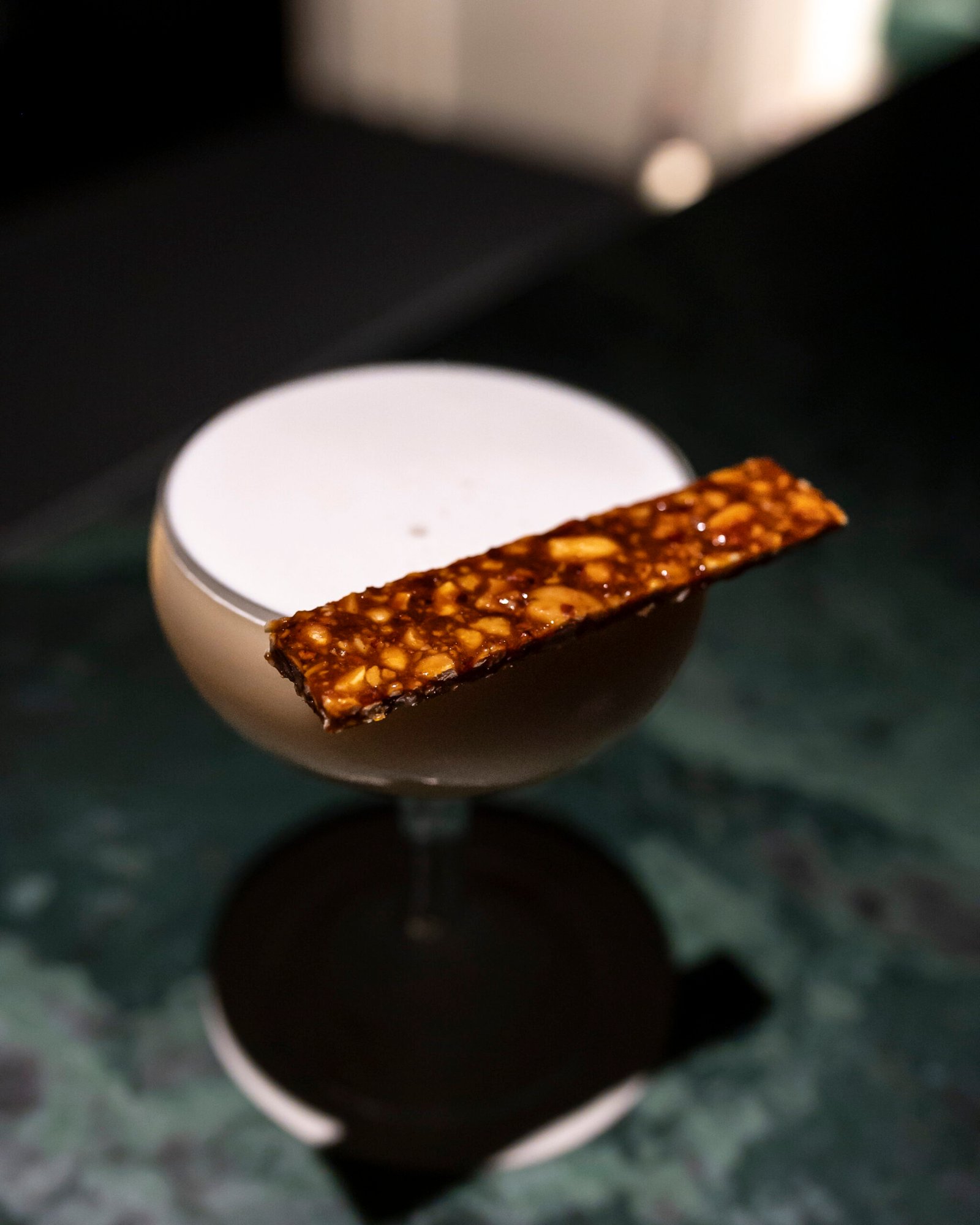
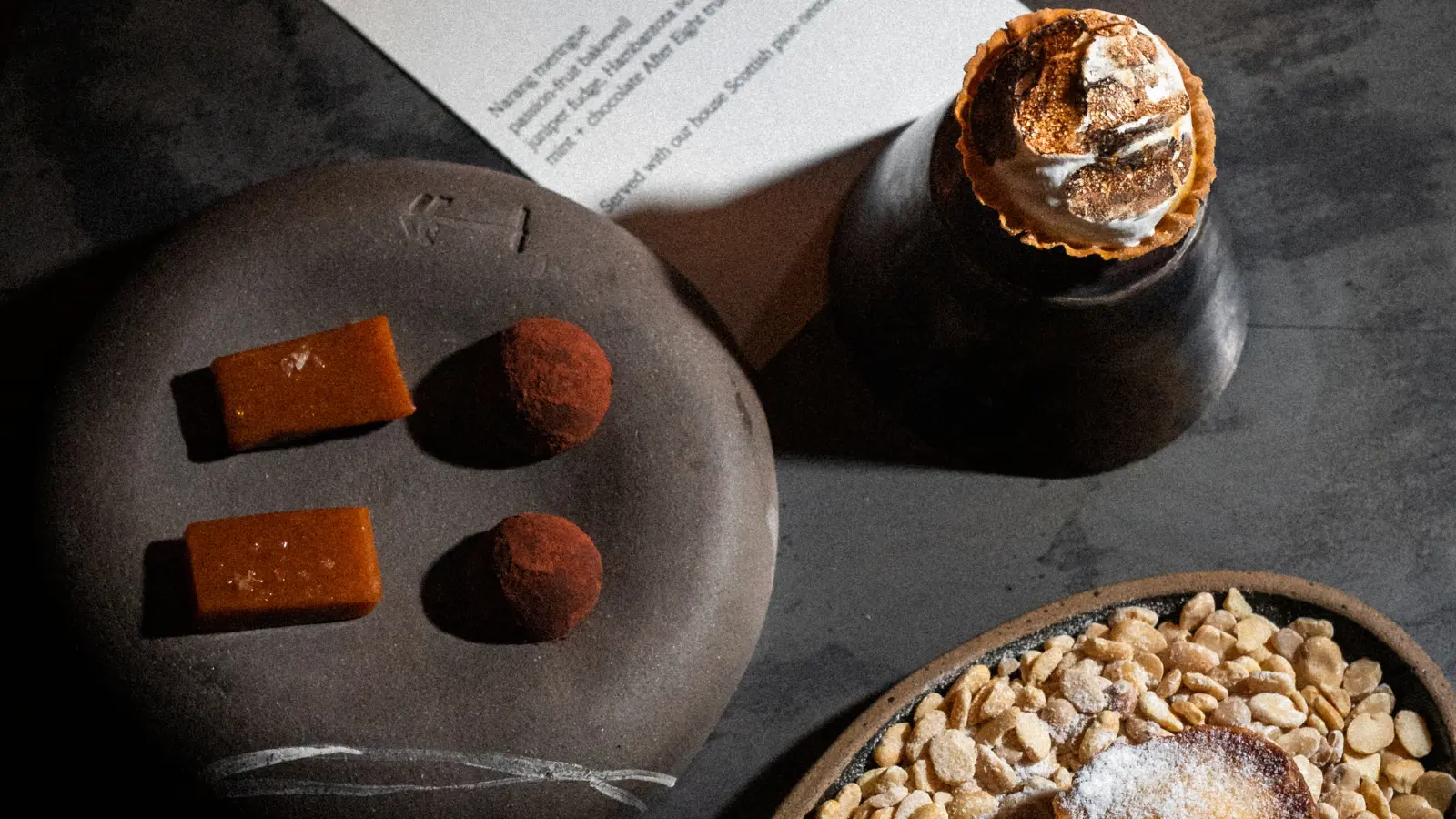
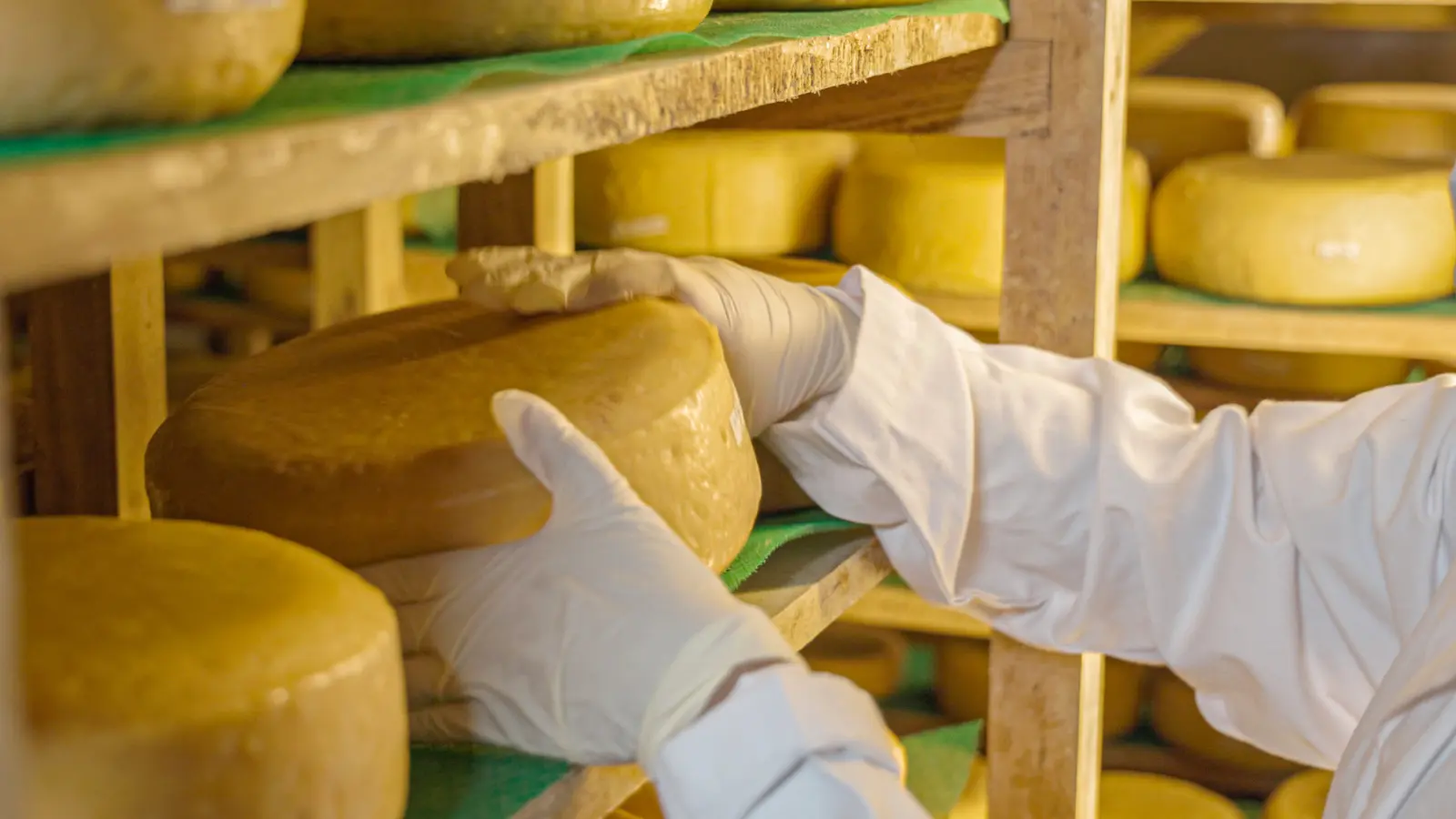
That foundation helms two drinks at Kampong. The Kompanni Sour is the only cocktail that is on the menu at both Kampong and GINI, something close to a house signature. The Kiri Pani takes it somewhere stranger: smoky mezcal and spiced rum folded into buffalo curd and kithul treacle, finished with a crunch of peanut candy. It is a liquid homage to the dessert most of us grew up eating, and a reminder of Nelaka’s family competition.
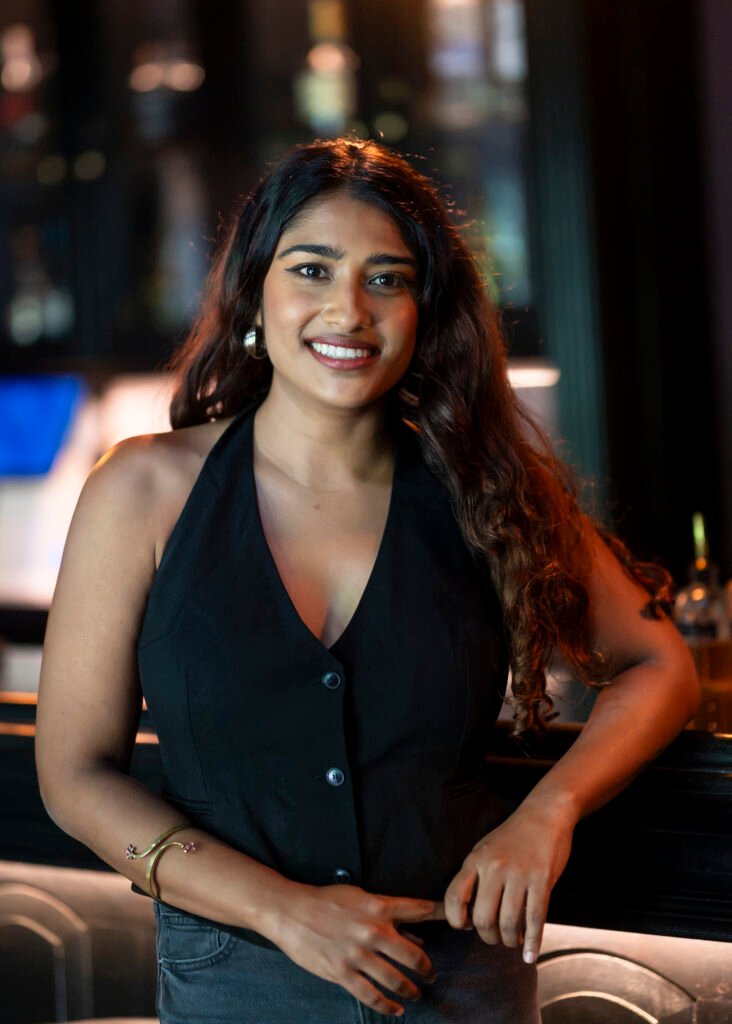
The Maniumpathy Boutique Hotel feels a world away from the chaos of Slave Island. This leafy heritage home feels like an oasis in the heart of Colombo. Here, Anithra Basnayake, the lead mixologist behind Dr Hallock’s Bar & Lounge, has designed a cocktail menu that celebrates local ingredients. As you step inside, you’re taken from the hotel’s airy, white-walled veranda into a room of dark wood and leather; intimate enough that it feels like it’s keeping a secret, or could keep one of yours.
For Anithra, the case for local ingredients isn’t really up for debate. “Sri Lanka is a biodiversity hotspot,” she says, with an extraordinary range of tropical fruits and botanicals. According to her, pineapple is a joke anywhere outside the tropics. Ours simply tastes more intense. Today, her ingredient of choice is tamarind, which she insists is far more complex than its everyday use. “It’s extremely balanced in itself,” she says of the fruit, which is sour and sweet at once, it carries a bright lingering sharpness.
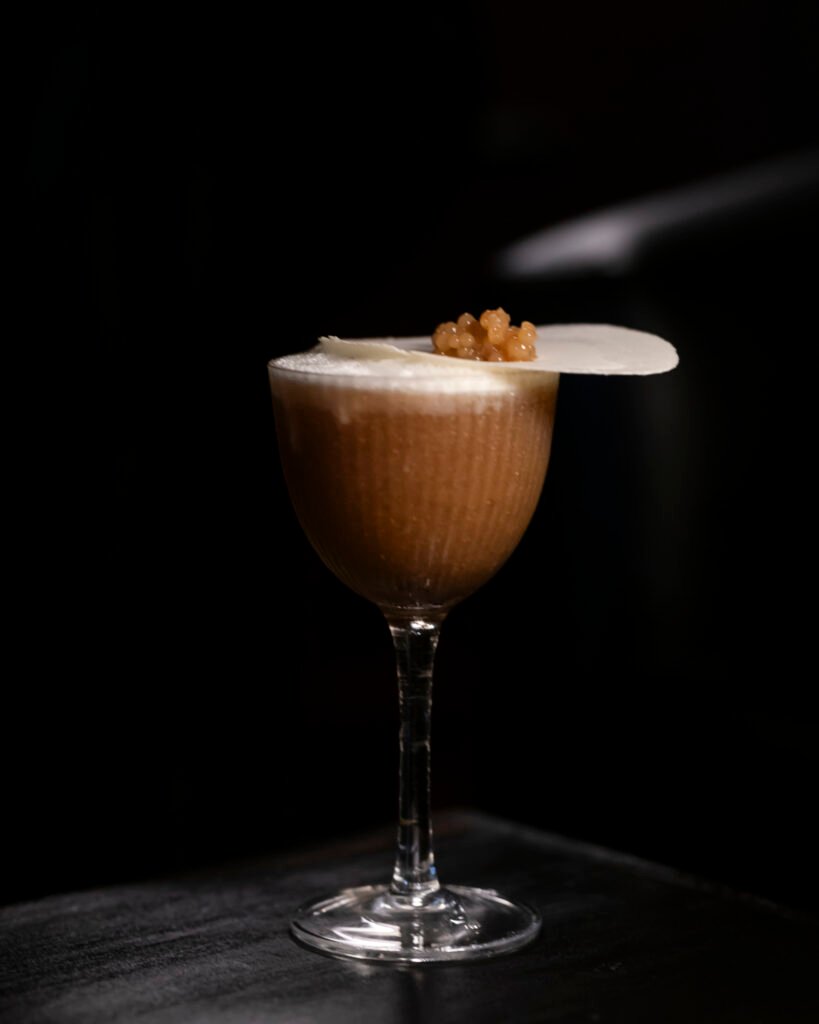
That balance is the backbone of her Tamarind from Chillaw. Rich, tart, slightly sweet, and surprisingly potent, it’s a complex house blend built around estate-grown tamarind. She pairs it with cardamom-infused gin and wood apple, which draws out the tamarind notes further while giving the drink some body. The drink is finished with coconut and lime air, a bombai muttai cracker, and a gentle dollop of tamarind caviar that bursts as you drink it.
Tamarind is seasonal, but unlike kithul, its scarcity doesn’t dictate the menu in the same way. Once harvested, it dries and stores well, allowing it to be sourced from around the country year-round. Another signature cocktail that takes a local ingredient in a more unexpected direction is the Manipay Mule: fenugreek bitters mixed with smoked ginger beer, jaggery-spiced lime cordial, and tamarind oleo, a flavour-rich syrup made by extracting the essential oils of citrus peel and infusing them with tamarind. The result is a cocktail that’s earthier and more complex than the original it’s named for.
For Anithra, this is the whole point. A Sri Lankan cocktail, she insists, isn’t Sri Lankan just because it nods at the country. In her view, it has to use “ingredients which are endemic to the island, or ingredients that are best in Sri Lanka.” Tamarind grows in Thailand and India too, she points out. But ours, she’s certain, is simply better.
It was a monsoon sunset. The sky was ablaze and a cool, balmy sea breeze rolled off as I walked into LIT, the bar at Nihonbashi, the Japanese restaurant by chef Dharshan Munidasa. Here, I met Sam Rangala, part head bartender, part mad scientist, perpetually mid-experiment between a fermentation station and a shelf of beeswax-aged whisky.
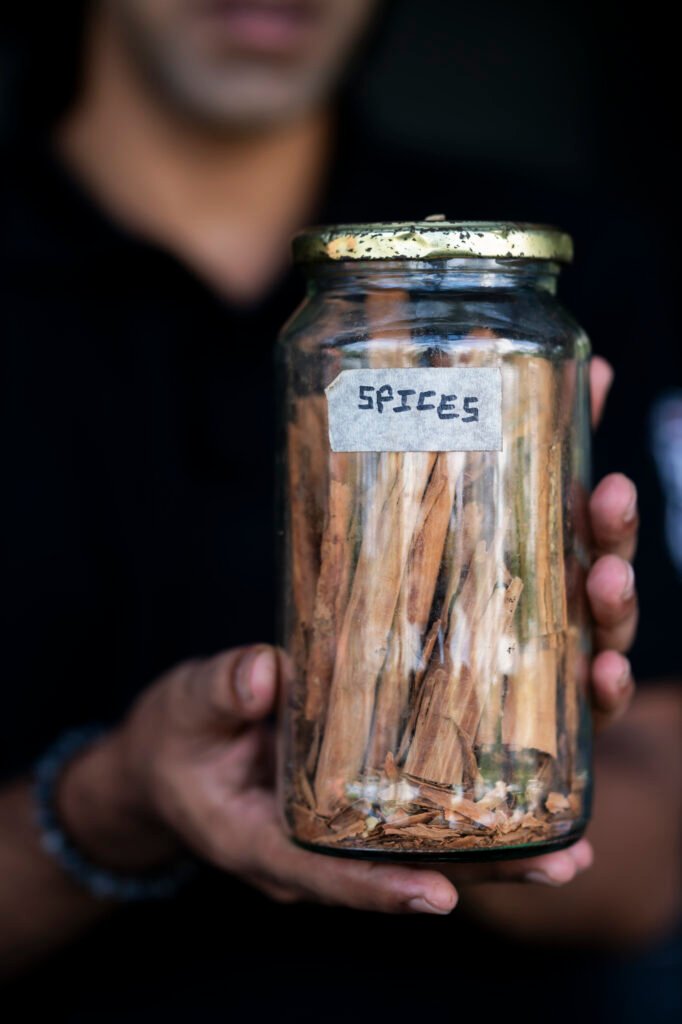
Cinnamon is the flavour he’s most drawn to. “It’s essential you get real Ceylon cinnamon,” he tells me. Cassia cinnamon has a thick, dense bark with a sharper, spicier, almost woody flavour. Ceylon Cinnamon, on the other hand, is often regarded as true cinnamon; it is thinner, sweeter, and more mellow, with an almost floral quality. Sam looks for wider-barked quills, which he says expose more of the oil-rich layer where much of the flavour lies. For garnish, it’s ground by hand using a Japanese mortar and pestle and used sparingly. “You don’t want cinnamon to jump out of your cocktail,” says Sam. Its job is to ground the other flavours, not announce itself.
That same restraint has shaped LIT’s shrub-making, a technique that predates the bar itself. The word comes from the Arabic sharāb, ‘to drink’, and traces back to sekanjabin, a Persian drink made of a mix of vinegar, sugar, and mint.
LIT’s mother shrub carries that same logic forward, but with a distinctly Sri Lankan register: cinnamon, cardamom, pineapple, vinegar, yuzu, and sugar, fermented into a fizzy, funk-forward base that runs through much of the menu. The cinnamon dances in the background, giving the shrub a backbone that the fruit and vinegar alone couldn’t carry.
The shrub appears throughout the menu but in the Hikaru Shima 3.0 it’s front and centre: Rockland dry gin, yuzu, mother shrub, and a Midori-vodka foam, finished with a dusting of cinnamon at the base and on top, bookending the drink.
Even in conversation, Sam keeps circling back to the same instinct: leave things alone. “The island has really good products that don’t have to be dehydrated,” he says. “The natural raw power of the ingredient is what we try to incorporate first.” It’s the same logic behind the cinnamon, the shrub, and the ice: less intervention, not more.
For Sam, that instinct is what a Sri Lankan bar’s standard should be built on: not novelty, but consistency and the discipline to say no. If he suspects a guest is looking for something else, that’s not enough reason to compromise on the integrity of the bar’s flavours. Instead, it is a reason to hold the line.
Far from the noise of Colombo, the Ten Tuskers Bar sits inside Wild Coast Tented Lodge, the Resplendent Ceylon’s safari camp perched on the edge of Yala, pressed up against the jungle on one side and the rugged coast on the other. Here, Mohan Devesurendra’s starting point is never the spirit. It’s always the ingredient.
His cocktail menu reads like a map of Sri Lanka’s agricultural traditions: coconut, ash plantain, rice, mung beans, Ceylon cinnamon and hibiscus. Each of these is sourced from local farmers across the island, several of whom he has visited himself. What surprised him most was the level of craftsmanship behind each ingredient. For instance, harvesting cinnamon requires years of skill just to peel the bark correctly, while hibiscus flowers are hand-picked at a precise stage of bloom to preserve their colour and tartness before drying.
Several Sri Lankan heavy hitters come together in the Toasted Ash Plantain Jungle Bird. Yet, Mohan says that what surprises most people is how restrained it feels. It’s not the bold, heavily spiced profile they might expect from local produce, but something layered and delicate. Ash plantain is lightly roasted first, coaxing out its subtle sweetness that raw plantain never quite delivers, before being turned into a syrup. That syrup is shaken with old arrack and hibiscus tea syrup, then garnished with a pineapple slice, pepper, and rhubarb jam. The drink is bright, floral, faintly tart, and tastes like the tropics.
The Mun Kewum Martini goes somewhere more austere. Vat 9 arrack is infused with rice and mung beans, gently roasted to release a nutty warmth, then stirred with a mung bean cordial, a smoked cinnamon tincture and saline solution. The ingredients seem simple enough, but the margins are narrow. Infuse the mung beans a minute too long and they develop a heavy, cereal-like flavour that overwhelms everything else. Even Ceylon cinnamon, for all its delicacy, can bulldoze the subtler notes the moment you stop paying attention. The key is finding the delicate balance where the ingredients work in tandem rather than compete for attention.
For Mohan, a Sri Lankan cocktail is less a style than a responsibility. It’s a reflection of culture, heritage and biodiversity in a glass. “The future of Sri Lankan bars isn’t about being the next version of somewhere else,” he says. “It’s about creating an identity that is unmistakably our own.”
What strikes me, sitting with all four conversations afterwards, isn’t how different their answers were—it’s how little any of them cared about sounding Sri Lankan. Nelaka wants a good bar, full stop. Anithra isn’t interested in an ingredient because it’s grown on the island, only whether Sri Lanka produces the best version of it. Sam wants to leave a good ingredient alone and let it speak for itself. Mohan lets the landscape set the terms. None of them set out to make a statement. Instead, the identity emerges as a by-product of taking the island’s ingredients seriously.
Maybe that’s the answer we’ve been looking for: not a house style, not a signature spice, but a willingness to let a place’s own produce set the terms. A Sri Lankan cocktail, if there is such a thing, might not be a flavour profile at all. It might be what’s left once a bartender stops reaching for what’s familiar and starts reaching for what’s already here.