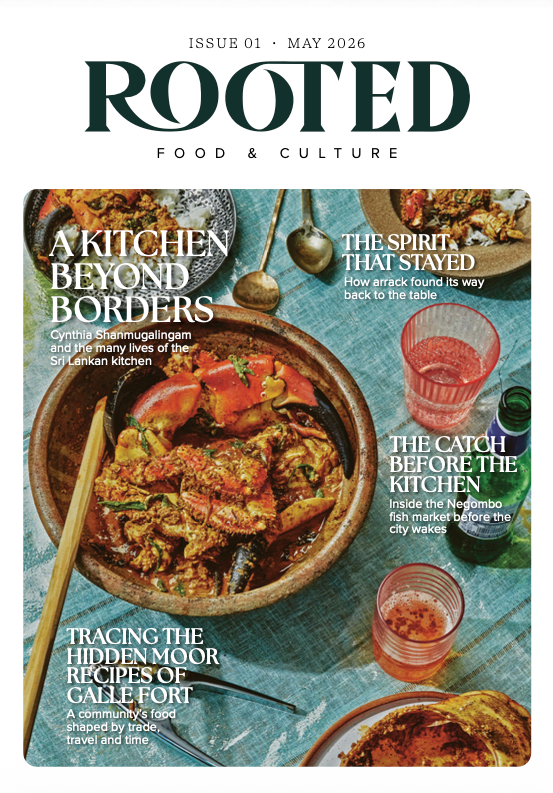
Lorem ipsum dolor sit amet, consectetur adipiscing elit. Ut elit tellus, luctus nec ullamcorper mattis, pulvinar dapibus leo.

Village kitchens rarely draw attention. They are practical spaces — shaped by necessity, routine, and familiarity. Yet within them lies some of Sri Lanka’s most enduring food knowledge.

Along Sri Lanka’s coastlines and inland waters, cooking responds closely to environment. Lagoon-side kitchens draw from tides, wind, and daily catch — shaping menus that shift with nature rather than schedules.

Pettah Market awakens before the city fully stirs. By dawn, stalls are already layered with colour — spices piled high, vegetables still cool from transport, voices rising in familiar negotiation.

Pol sambol appears uncomplicated — coconut, chilli, lime, salt. Yet its presence at almost every Sri Lankan table gives it cultural weight.

Memory often returns through taste. A familiar curry, a specific aroma, or a method of cooking can recall moments long past — kitchens, conversations, and hands at work.

Avurudu is not announced by the calendar alone. It arrives through sound, scent, and movement — the rhythm of kitchens preparing for renewal.

Some cooks never measure. They taste, adjust, and know when a dish is ready — guided by memory rather than instruction. Their kitchens hold knowledge that cannot be written down.

Before ingredients reach kitchens, they pass through hands shaped by sun, soil, and repetition. Farmers, growers, and producers form the unseen foundation of Sri Lanka’s culinary landscape.

After years spent in professional kitchens abroad, returning home was not a retreat — it was a decision rooted in responsibility. For this chef, cooking became a way to reconnect with land, memory, and purpose.

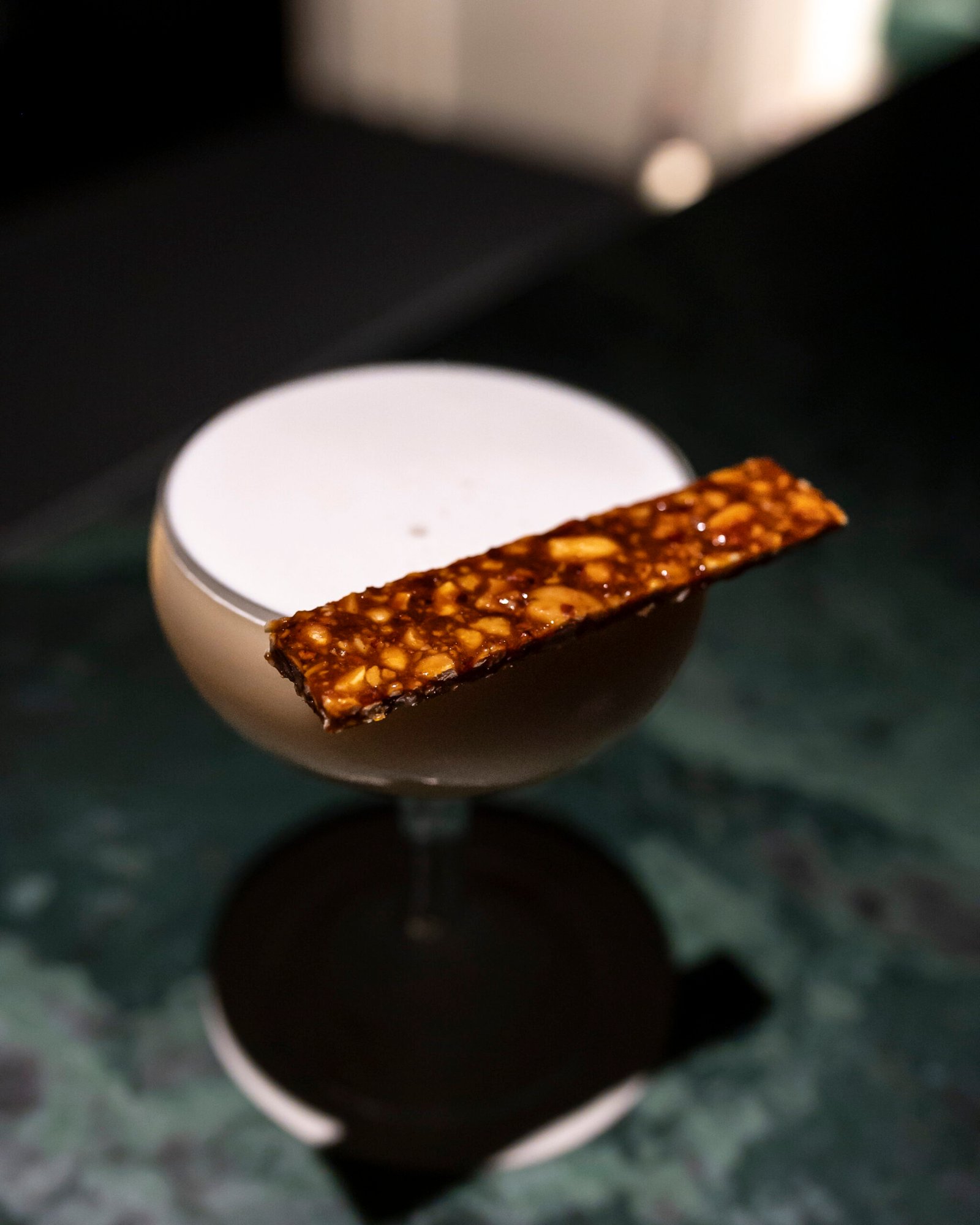
Colombo’s cocktail culture has shifted quietly over the past decade. What was once dominated by imported spirits and classic formulas has made space for local ingredients and island identity.

Village kitchens rarely draw attention. They are practical spaces — shaped by necessity, routine, and familiarity. Yet within them lies some of Sri Lanka’s most enduring food knowledge.

Along Sri Lanka’s coastlines and inland waters, cooking responds closely to environment. Lagoon-side kitchens draw from tides, wind, and daily catch — shaping menus that shift with nature rather than schedules.

Pettah Market awakens before the city fully stirs. By dawn, stalls are already layered with colour — spices piled high, vegetables still cool from transport, voices rising in familiar negotiation.

Pol sambol appears uncomplicated — coconut, chilli, lime, salt. Yet its presence at almost every Sri Lankan table gives it cultural weight.

Memory often returns through taste. A familiar curry, a specific aroma, or a method of cooking can recall moments long past — kitchens, conversations, and hands at work.

Avurudu is not announced by the calendar alone. It arrives through sound, scent, and movement — the rhythm of kitchens preparing for renewal.

Some cooks never measure. They taste, adjust, and know when a dish is ready — guided by memory rather than instruction. Their kitchens hold knowledge that cannot be written down.

Before ingredients reach kitchens, they pass through hands shaped by sun, soil, and repetition. Farmers, growers, and producers form the unseen foundation of Sri Lanka’s culinary landscape.

After years spent in professional kitchens abroad, returning home was not a retreat — it was a decision rooted in responsibility. For this chef, cooking became a way to reconnect with land, memory, and purpose.

Colombo’s cocktail culture has shifted quietly over the past decade. What was once dominated by imported spirits and classic formulas has made space for local ingredients and island identity.


Pol sambol appears uncomplicated — coconut, chilli, lime, salt.

Colombo’s cocktail culture has shifted quietly over the past
We welcome pitches from writers, photographers, and storytellers whose work aligns with our editorial philosophy.