Avurudu is not announced by the calendar alone. It arrives through sound, scent, and movement — the rhythm of kitchens preparing for renewal.
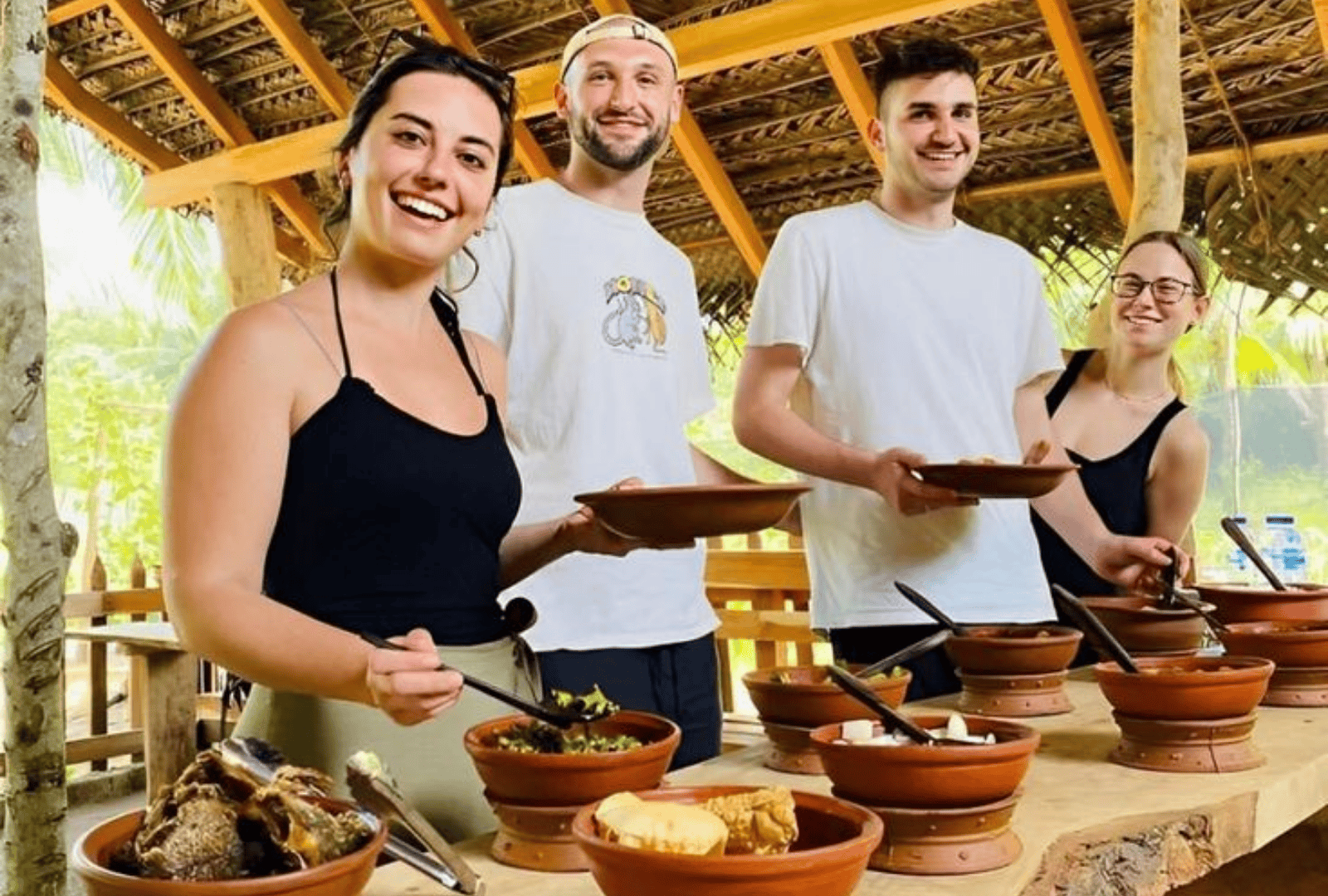
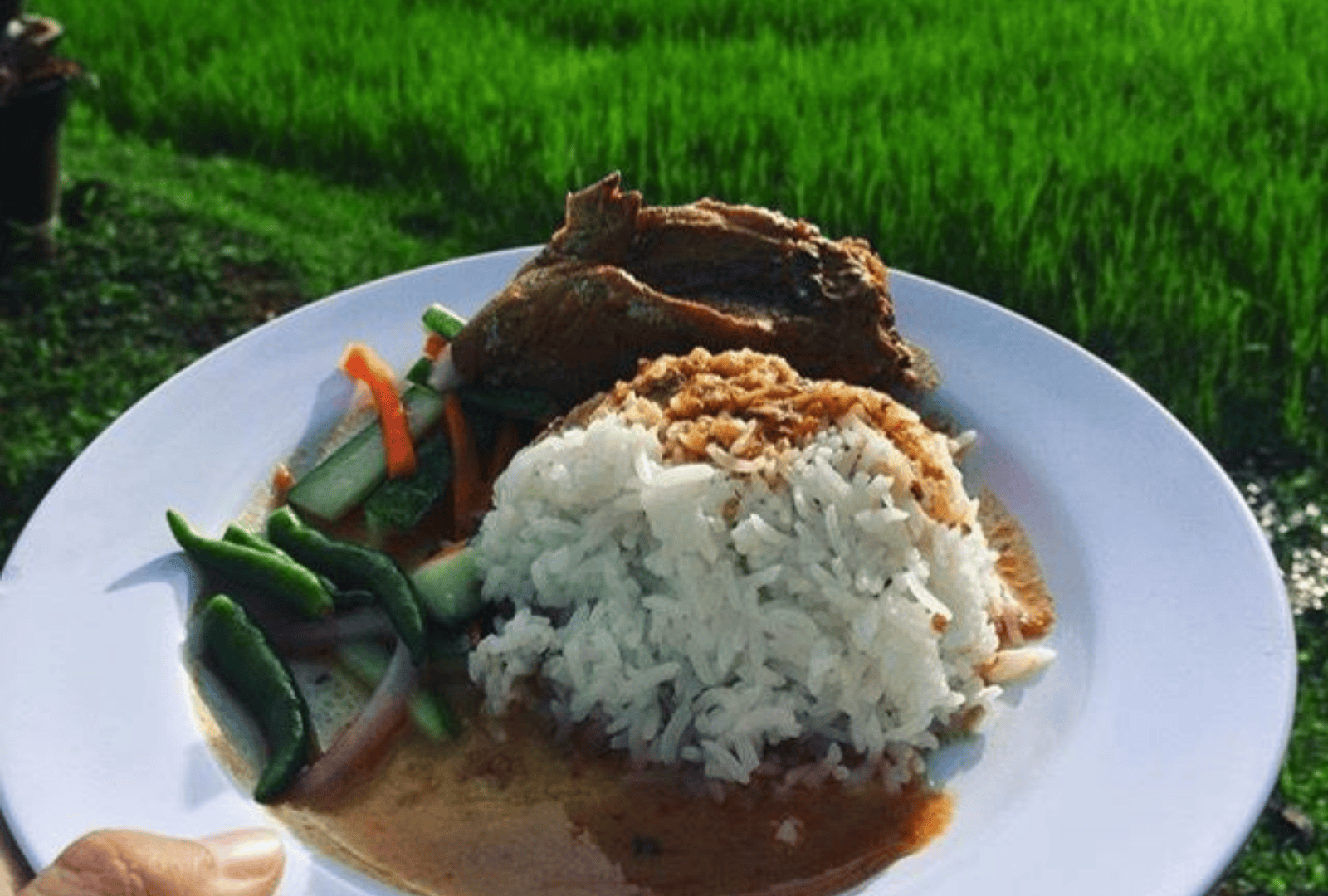
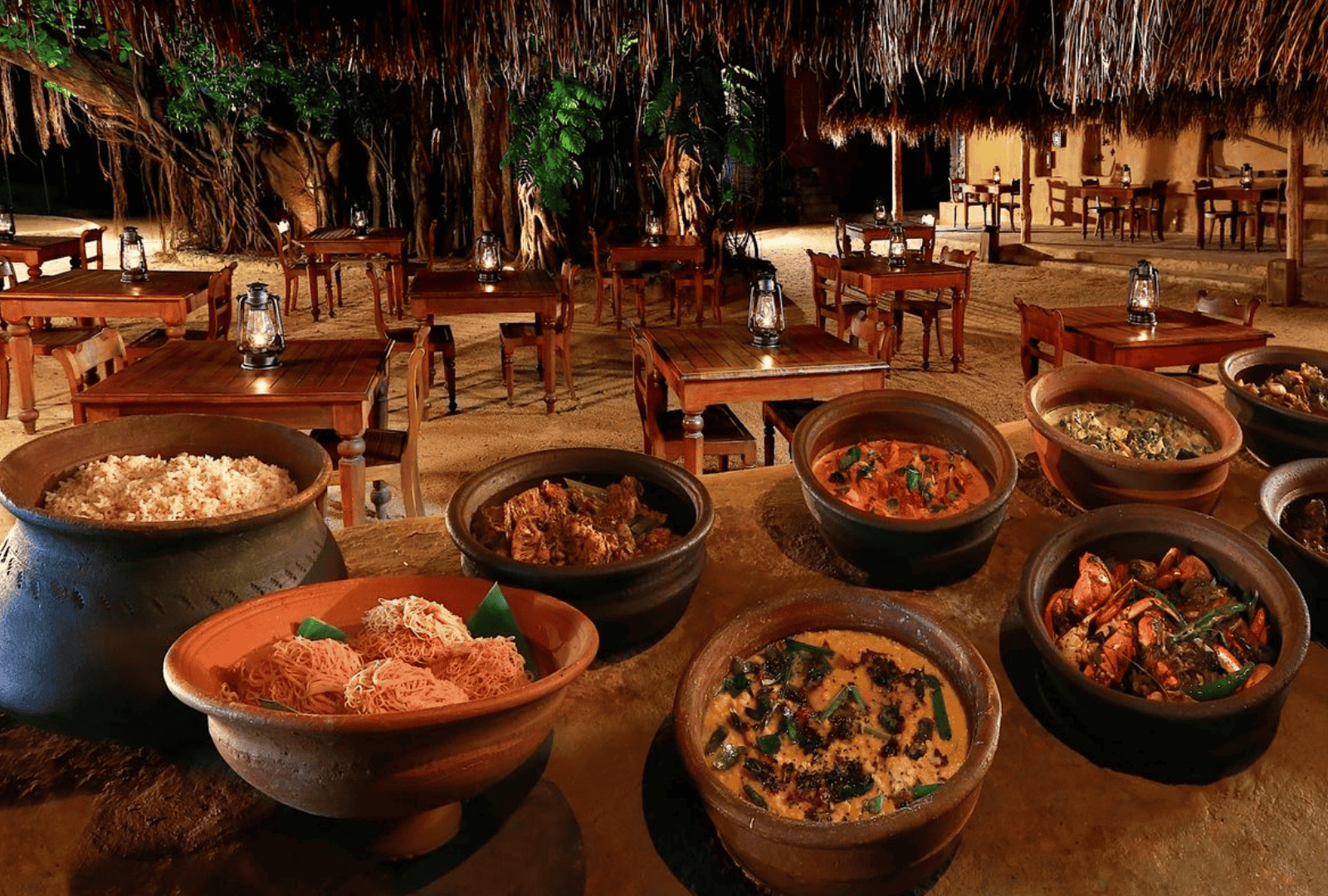
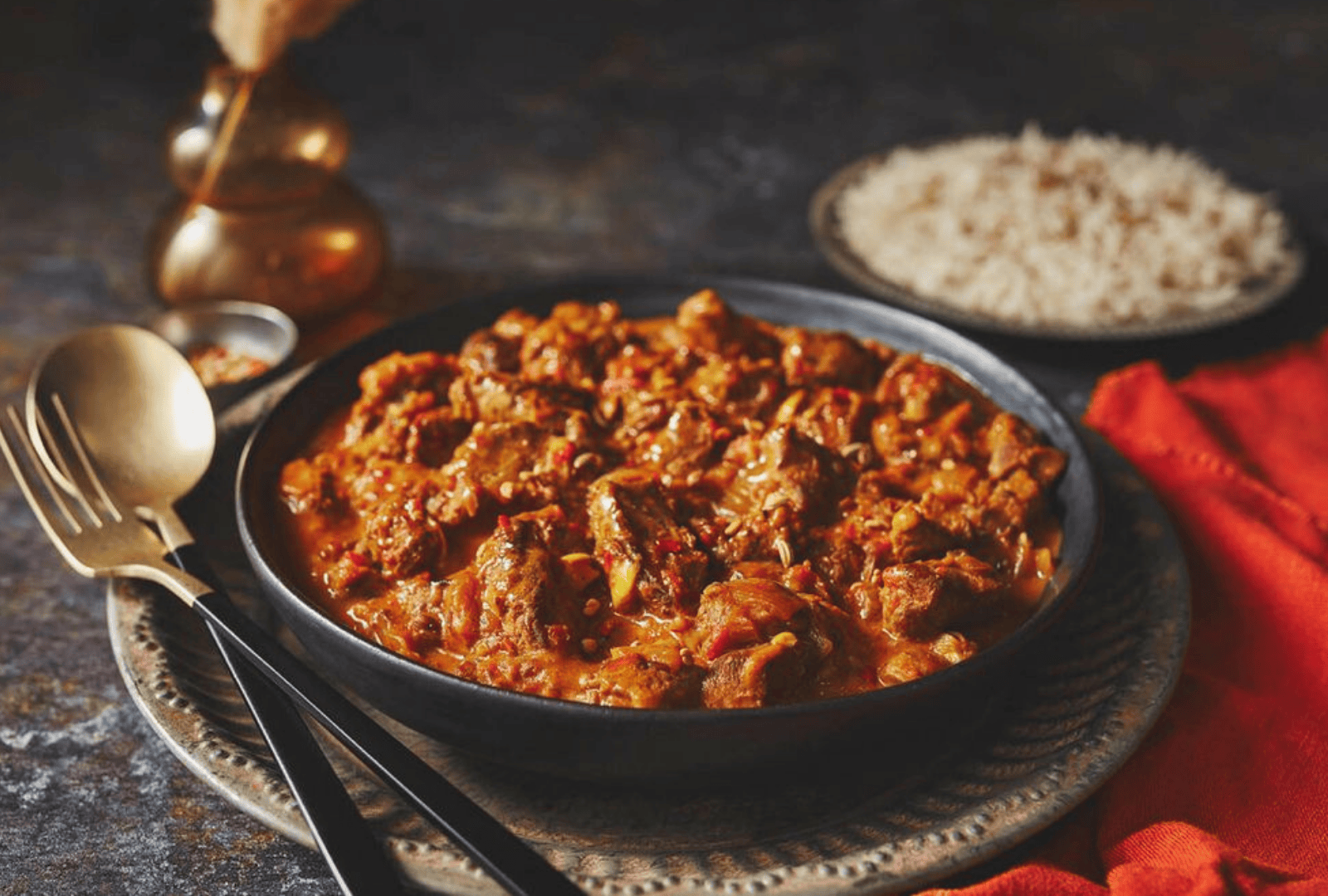
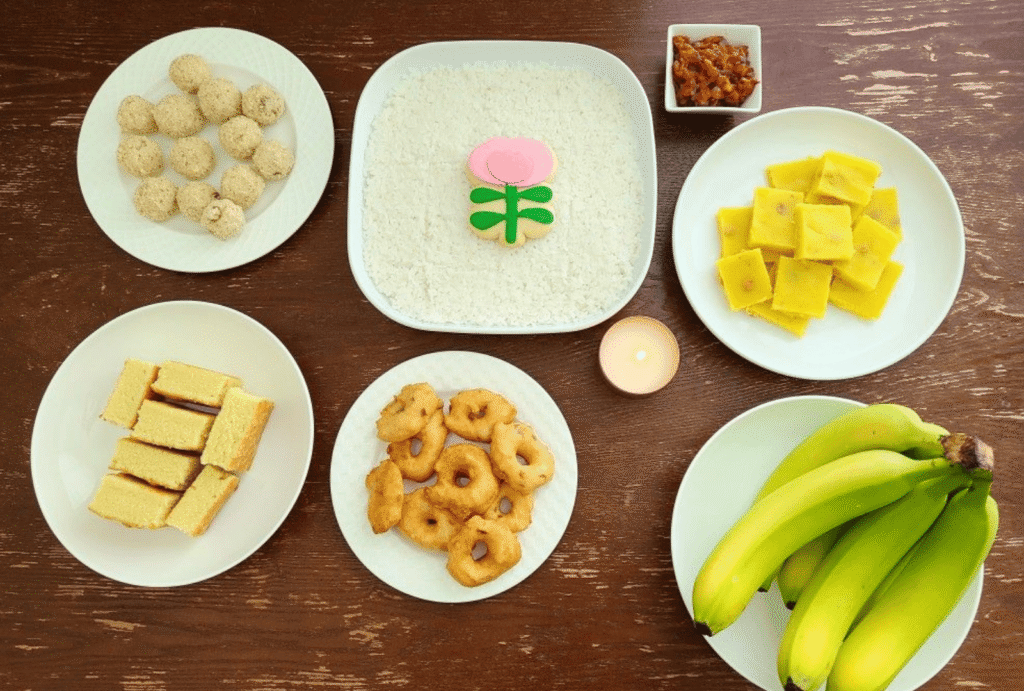
Cooking begins early. Hearths are lit at auspicious times. Ingredients are prepared with care and intention. Milk rice, sweetmeats, and festive dishes are not rushed; they are made as acts of participation in a shared moment.
These foods carry meaning beyond nourishment. They mark transition, harmony, and continuity — connecting households through collective ritual rather than individual celebration.
During Avurudu, food becomes ceremony.
Across regions, recipes vary, but intention remains constant. The kitchen becomes a space where time slows, and tradition is reaffirmed through repetition.
What Avurudu Food Represents?
Renewal and new beginnings
Collective participation and timing
Respect for ritual and auspiciousness
Sharing across families and neighbours
Preservation of cultural rhythms
Continuity through food traditions
A Ritual Repeated
Avurudu lives not only in festivals, but in kitchens — where tradition is practiced quietly, year after year.