Tea in Sri Lanka is often spoken of in grades and exports. But beyond the numbers lies a quieter story — one shaped by soil, altitude, and human care.
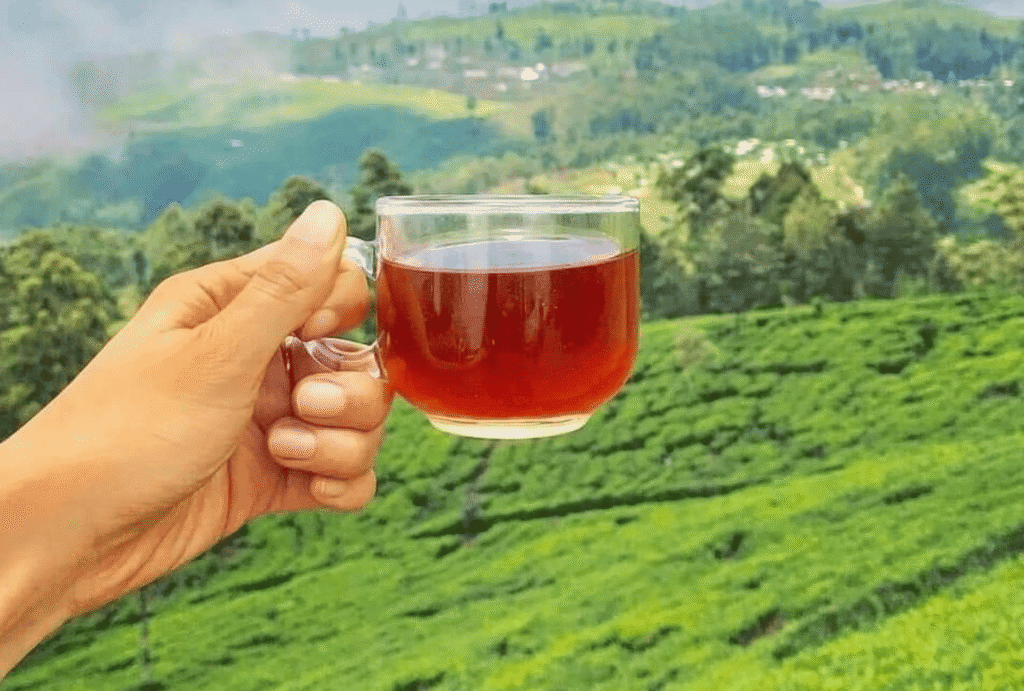
From low-grown coastal estates to mist-covered highlands, elevation shapes flavour. Low-grown teas are bold and malty. Mid-grown teas balance strength and aroma. High-grown teas are light, floral, and precise.
Plucking is done by hand. Timing matters. Processing follows a careful rhythm — withering, rolling, oxidising, drying — each step altering taste and character.
Tea is not grown — it is guided.the food.
In recent years, small-batch producers have begun focusing on quality over volume. Estate-specific teas, artisanal methods, and storytelling have redefined how Ceylon tea is experienced.
What Shapes Ceylon Tea?
Elevation and climate
Soil composition
Hand-plucking techniques
Processing methods
Estate-specific practices
Seasonal variation
A Living Craft
Ceylon tea is not static. It continues to evolve — guided by land, labour, and quiet precision.