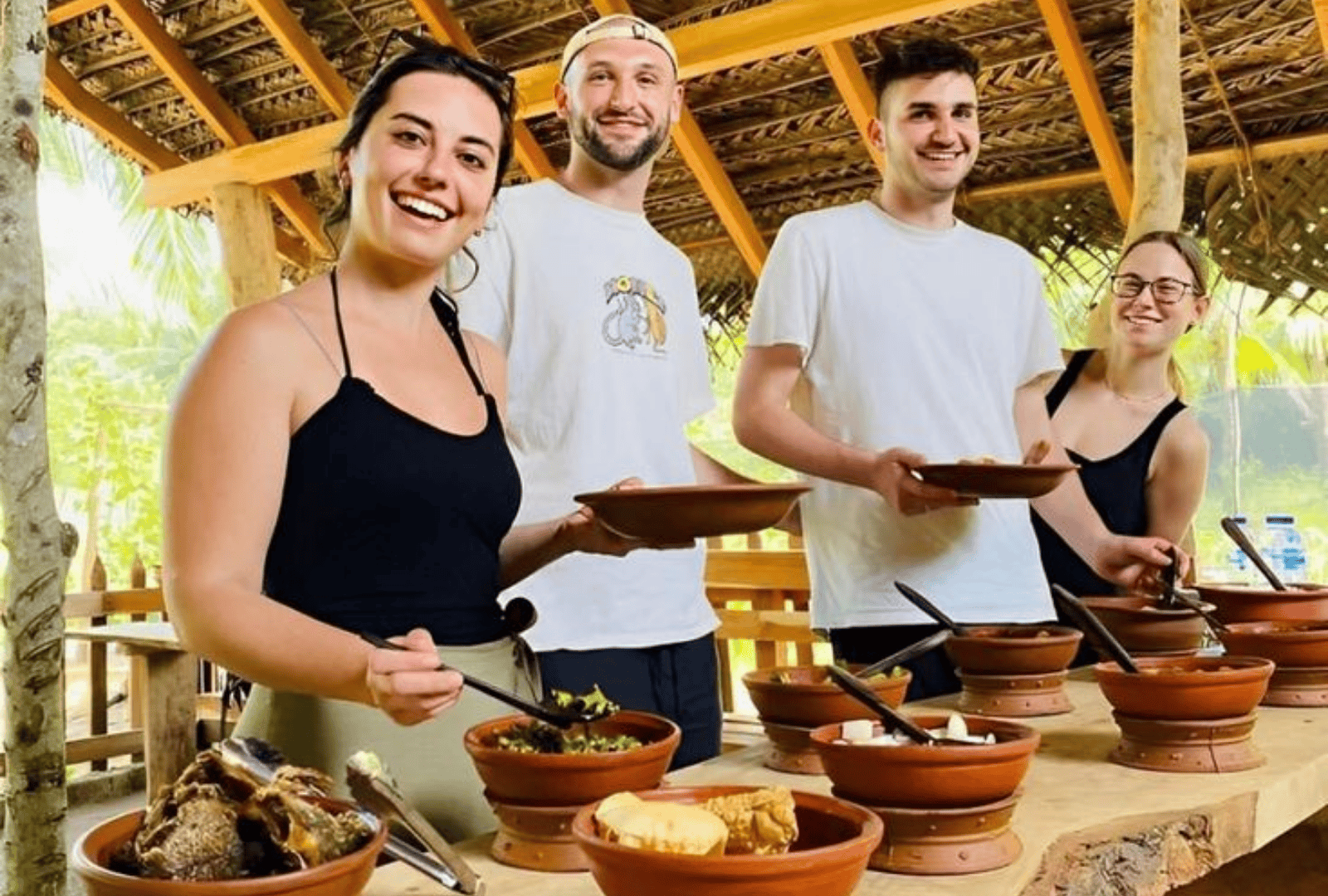
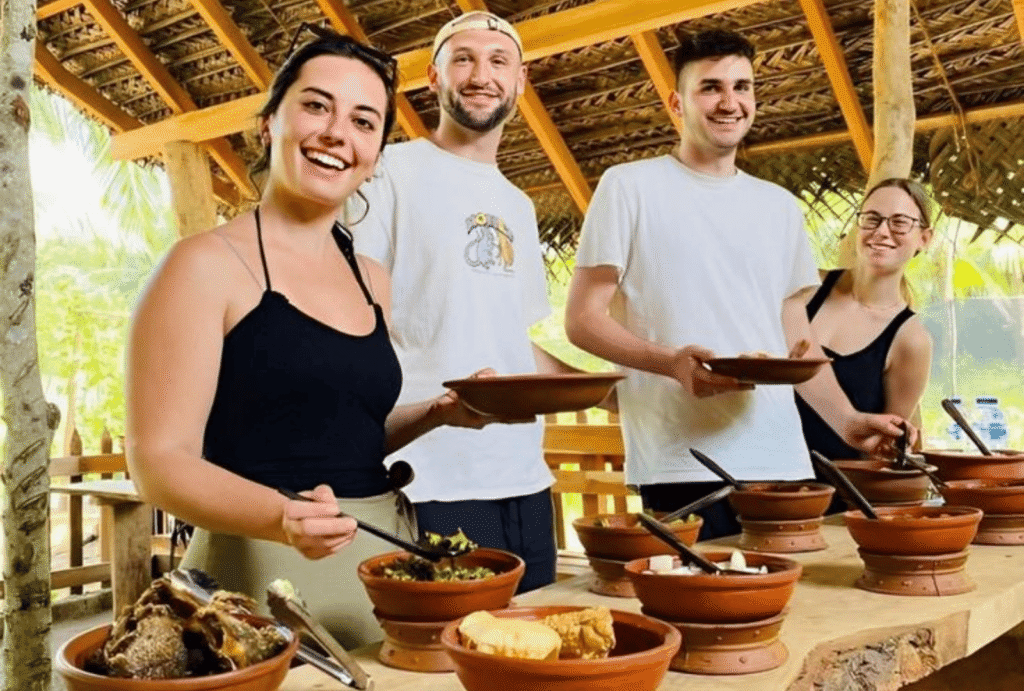
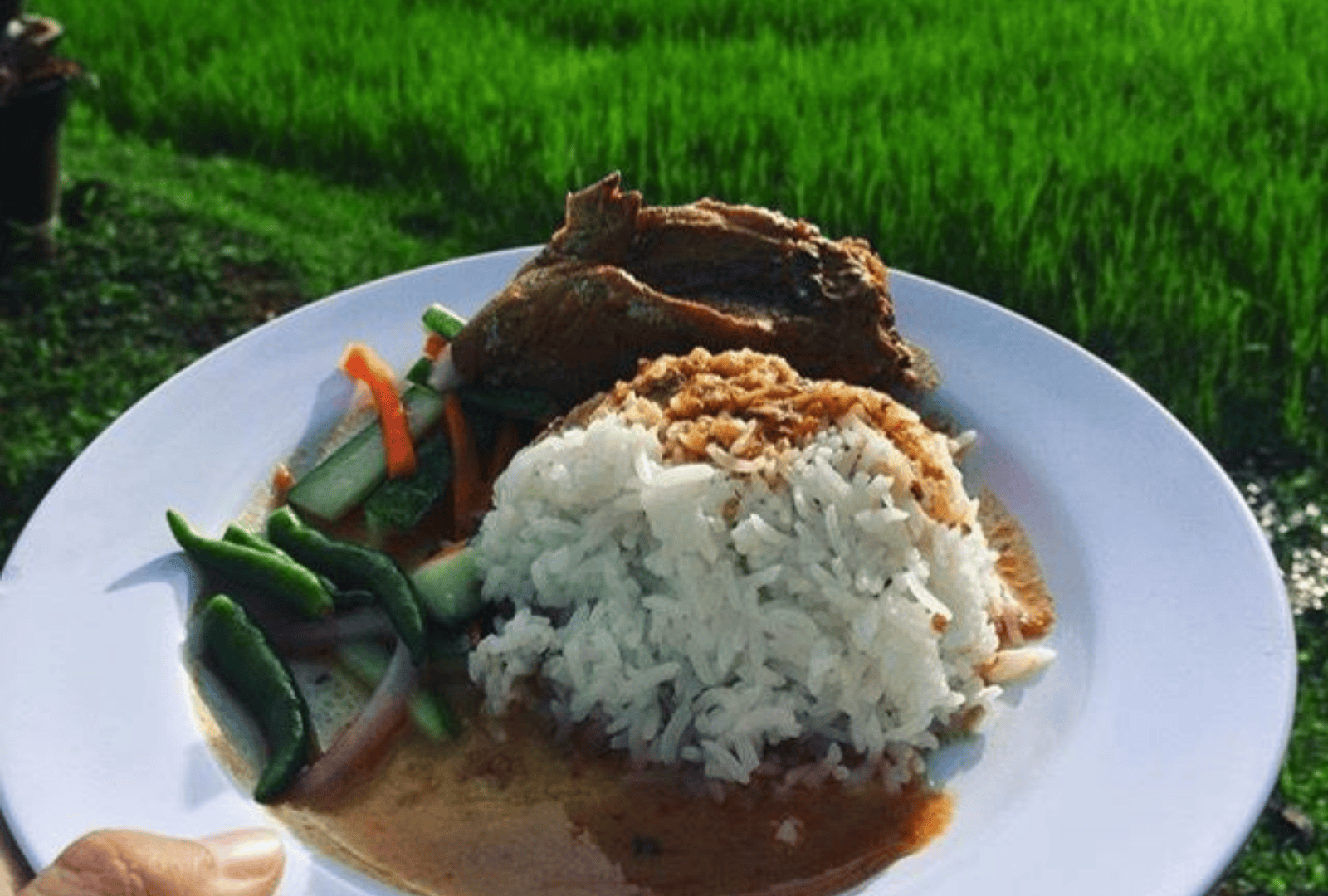
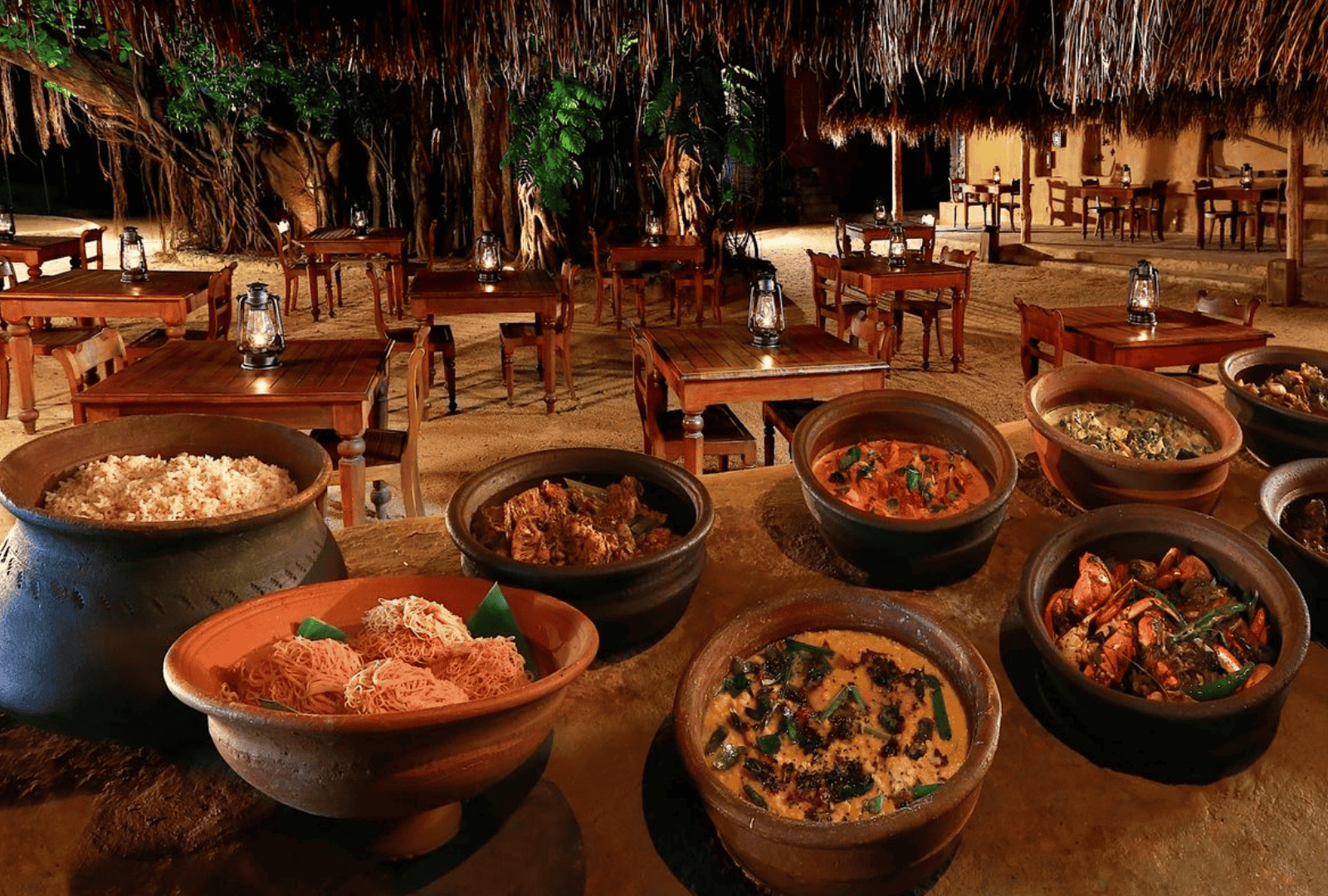
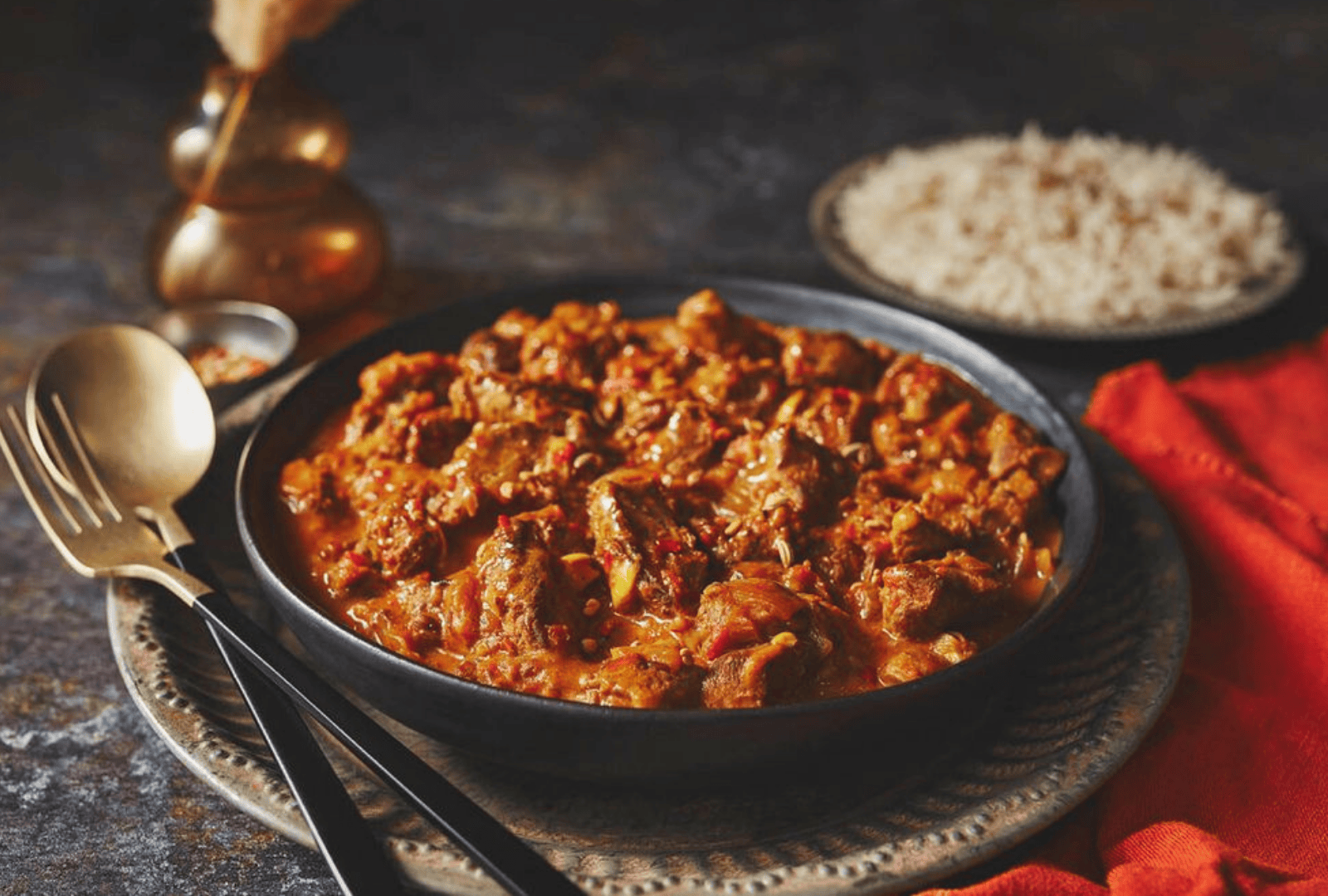
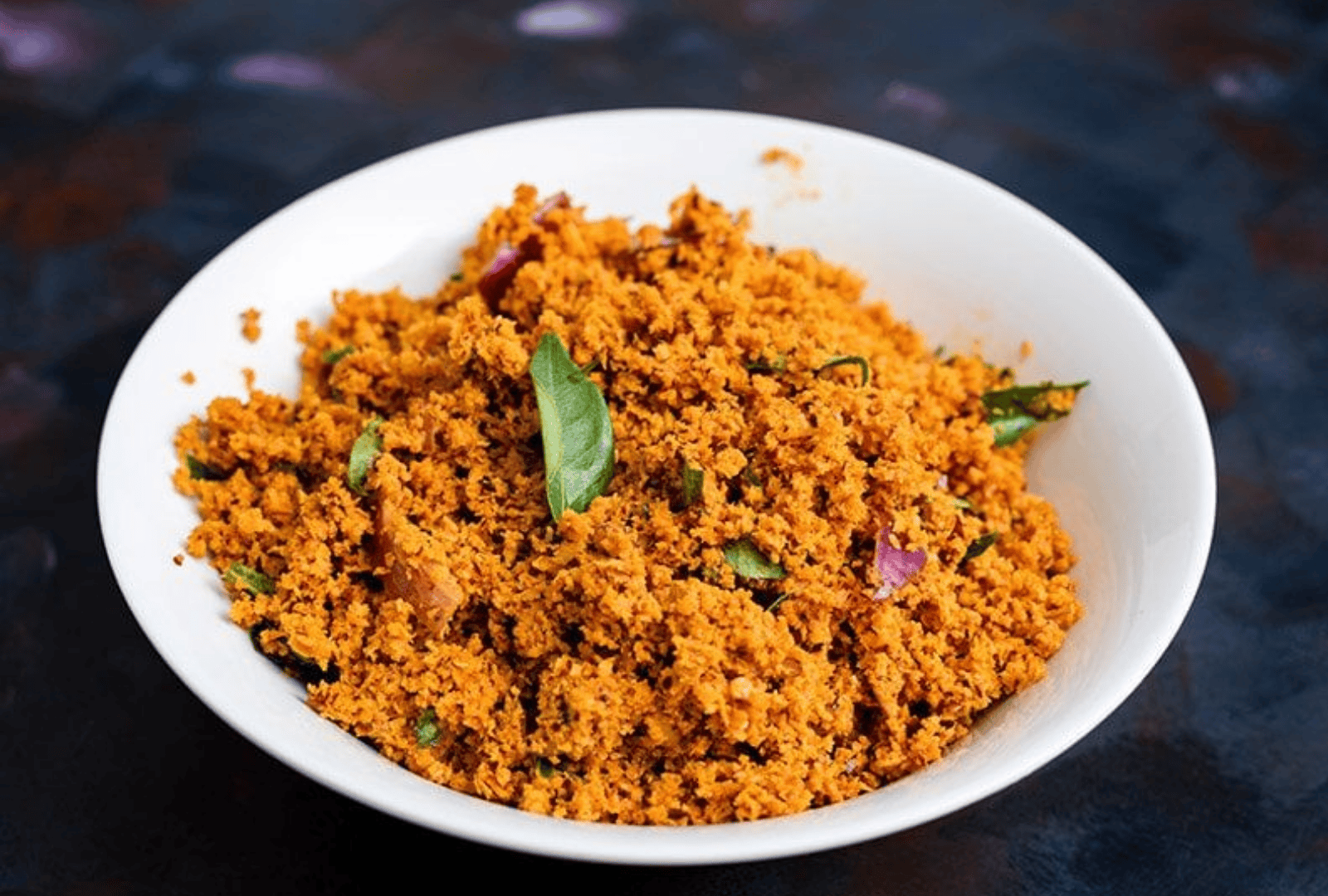
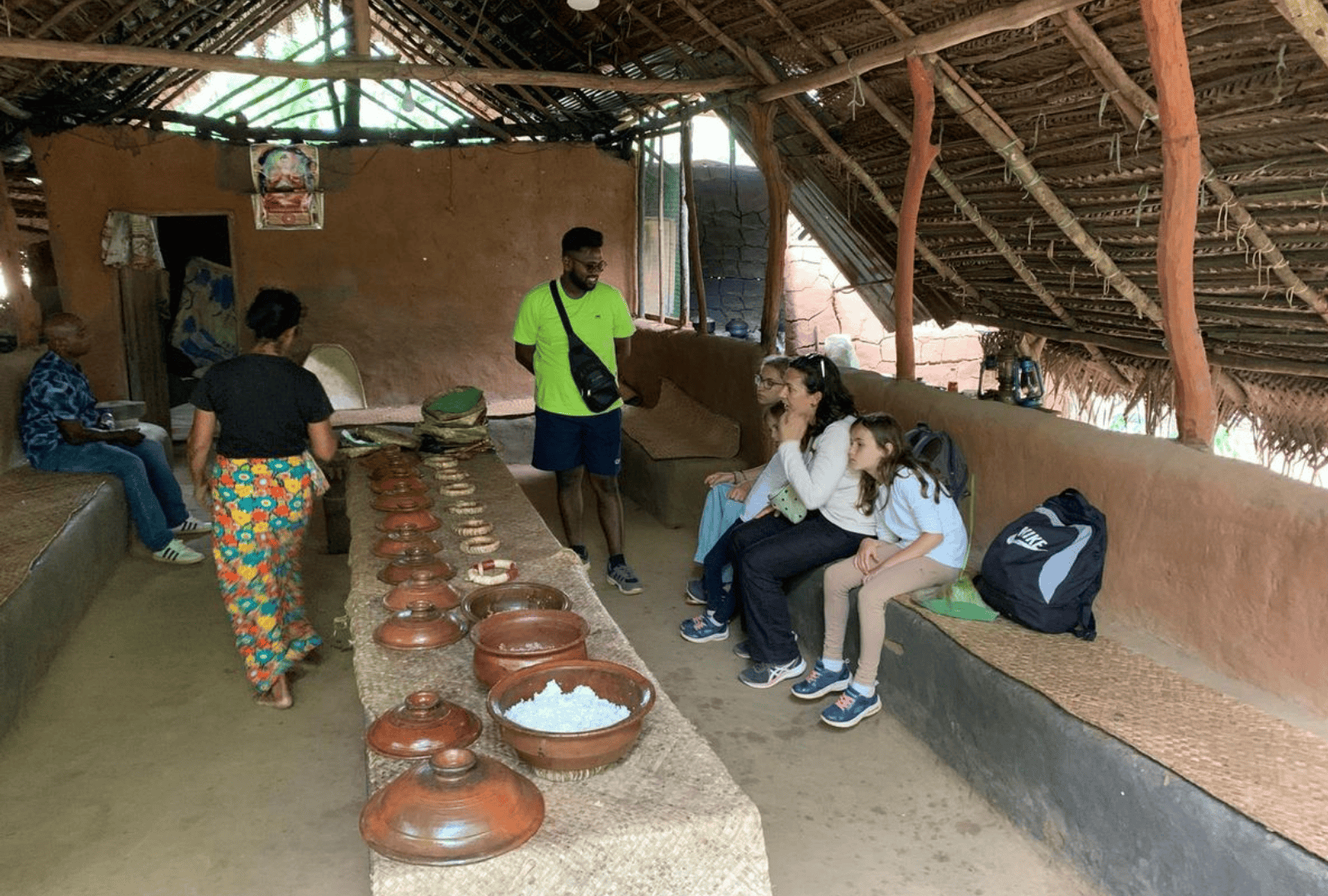
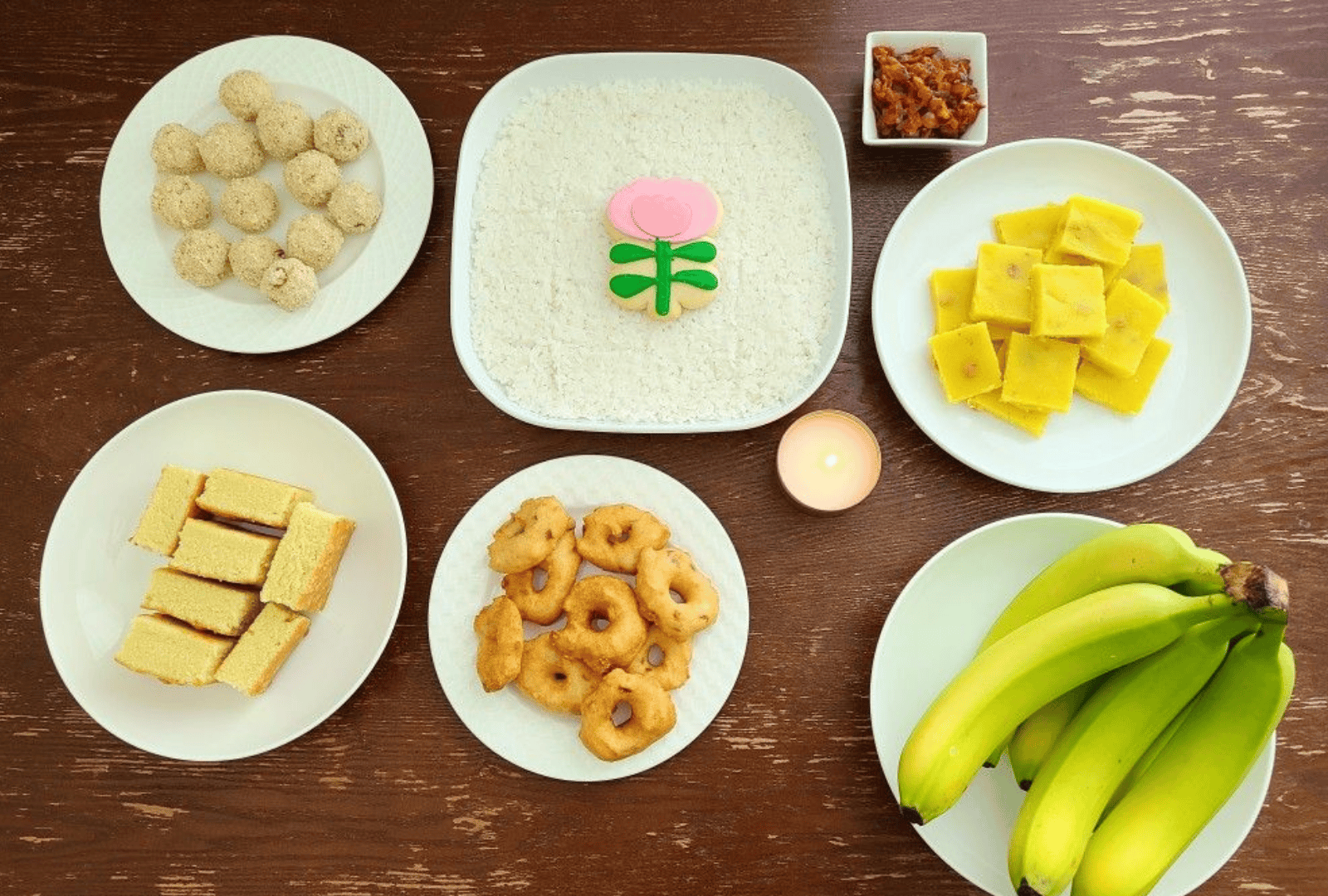
Village kitchens rarely draw attention. They are practical spaces — shaped by necessity, routine, and familiarity. Yet within them lies some of Sri Lanka’s most enduring food knowledge.
Cooking begins early. Ingredients are local. Measurements are intuitive. Meals are prepared not for presentation, but for nourishment and sharing. Techniques are learned through observation, not instruction.
These kitchens adapt without announcement. They respond to availability, season, and circumstance — preserving tradition through flexibility rather than rigidity.
The most influential kitchens are often the least visible.
As urban life accelerates, village kitchens remain grounded. They remind us that culinary culture survives through daily repetition, not performance.
What Defines the Village Kitchen?
Ingredient-driven, local cooking
Knowledge passed through practice
Flexible recipes and methods
Communal eating traditions
Minimal tools, maximum familiarity
Continuity through everyday meals
Quiet Authority
Village kitchens do not seek recognition. They sustain tradition simply by continuing.