Why traditional vessels still matter in Sri Lankan kitchens
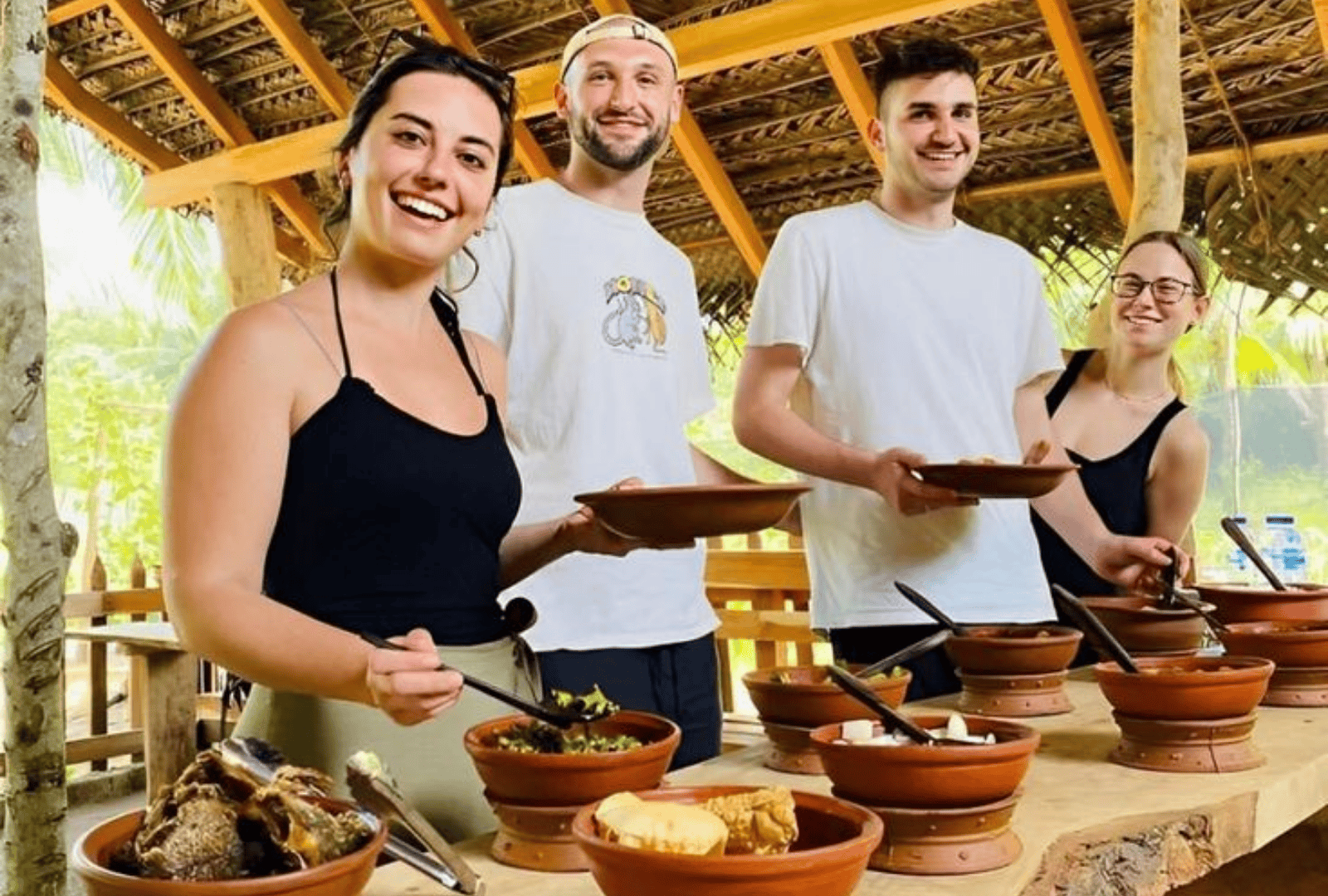
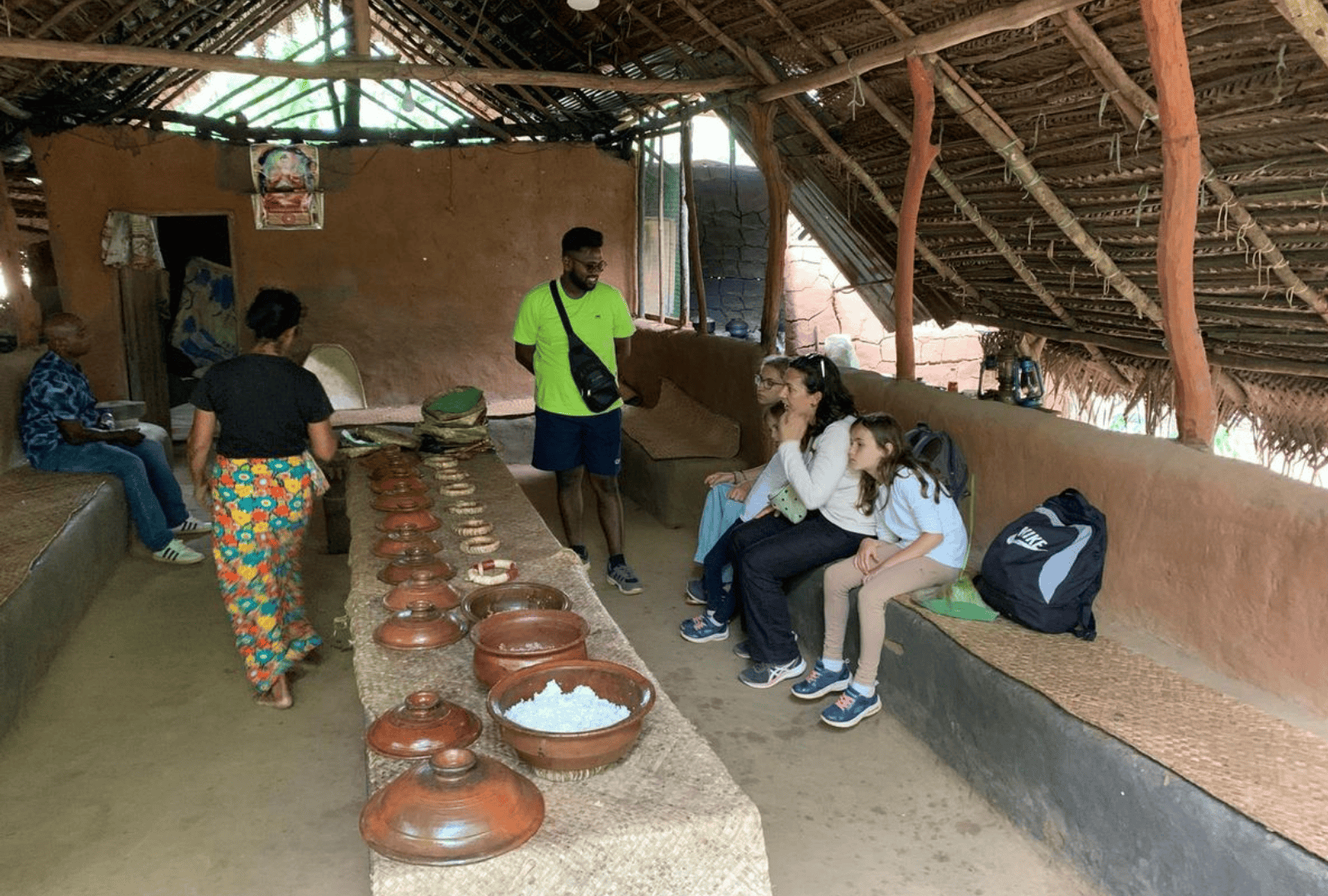
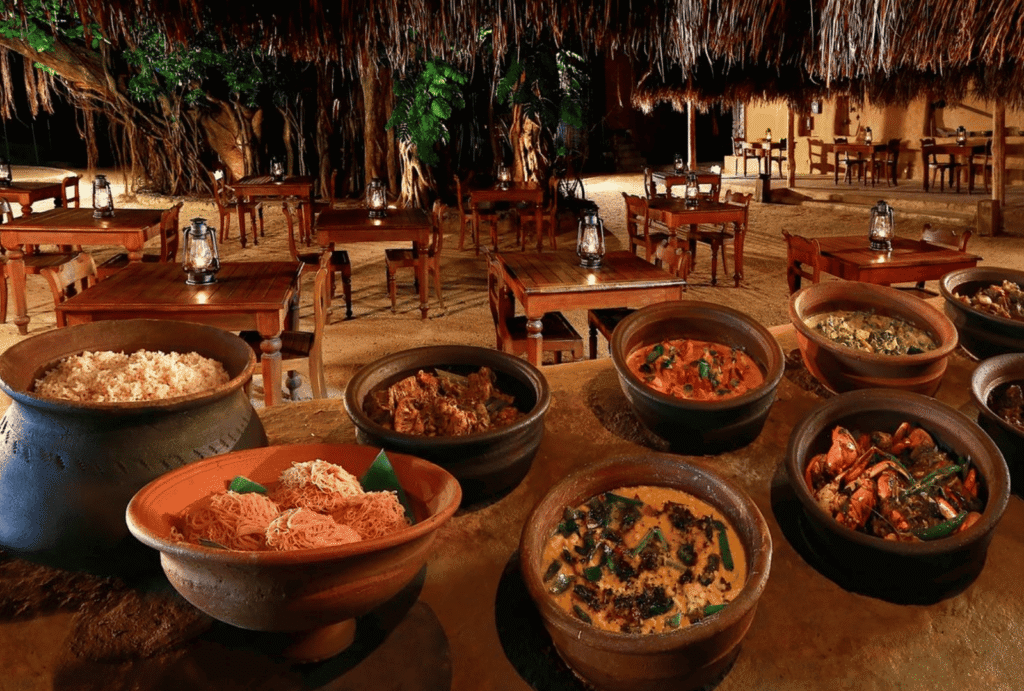
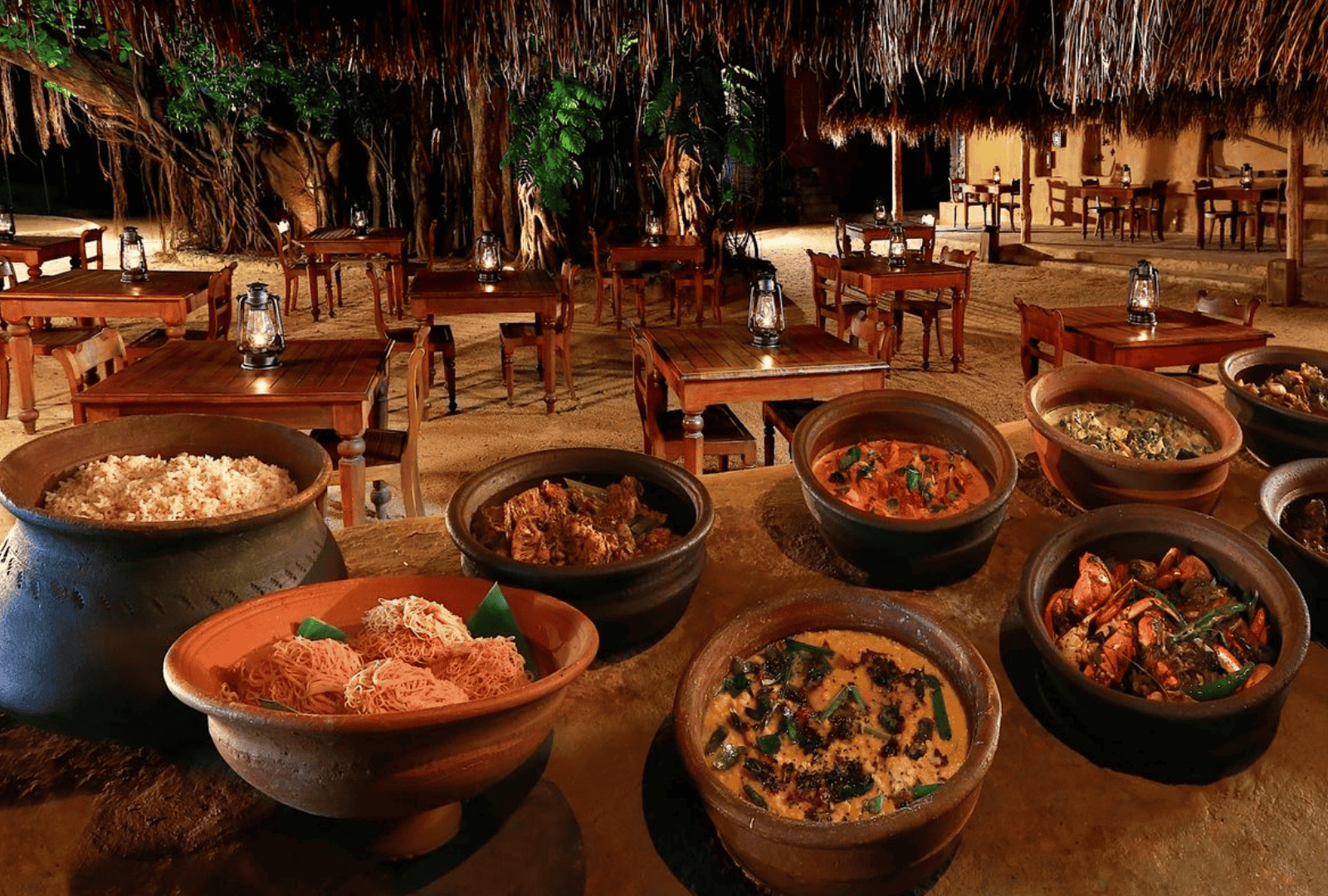
In many Sri Lankan homes, the clay pot holds a position of quiet reverence. Passed down, repaired, and replaced only when necessary, it is more than a cooking vessel — it is a carrier of memory, habit, and care.
Clay pots cook slowly and evenly, allowing spices to bloom without burning and liquids to reduce gently. Unlike modern cookware, they demand attention. Heat must be controlled. Stirring must be mindful. Cooking becomes a process rather than a task.
For generations, everyday meals were shaped by clay. Dhal thickened naturally. Fish curries absorbed the earthiness of the vessel itself. The porous surface of clay subtly interacts with ingredients, enhancing aroma and depth.
To cook in clay is to slow down and listen to the food.
In recent years, clay pots have returned to professional kitchens, embraced by chefs seeking authenticity and texture. Yet their true power remains in domestic spaces — where cooking is tied to routine, patience, and continuity rather than performance.
Why the Clay Pot Endures?
Even heat distribution for slow cooking
Natural enhancement of aroma and flavour
Gentle reduction without burning
Encourages mindful cooking techniques
Durable and repairable over generations
Rooted in domestic, everyday kitchens
A Tool of Continuity
The clay pot reminds us that tools shape taste. And that tradition often survives not in grand gestures, but in the most ordinary objects — quietly used, carefully maintained, and deeply trusted.