At the Table: Exploring Sri Lanka’s Chef’s Table Culture
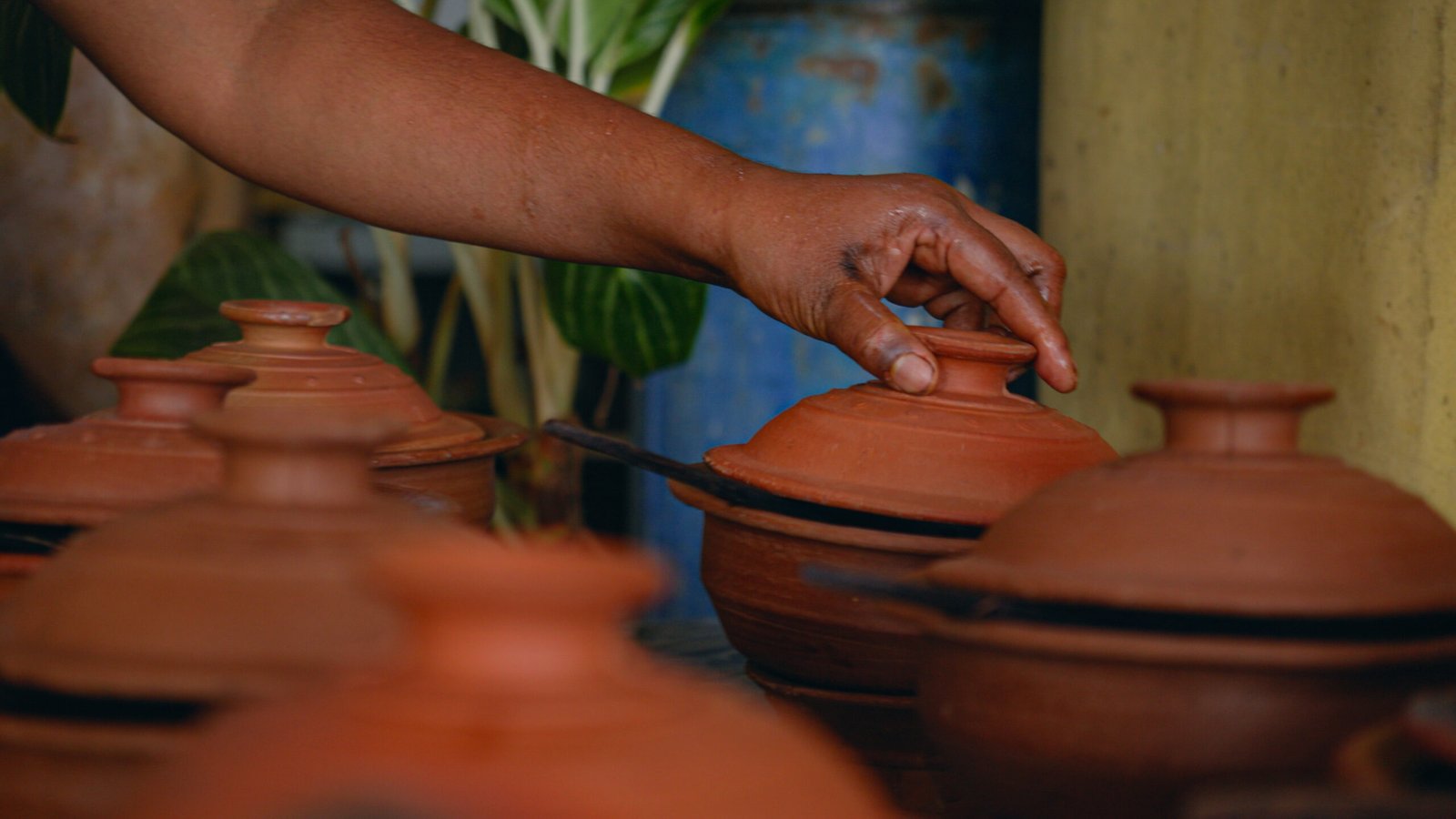
In the hours leading up to a meal in a Sri Lankan household, the anticipation builds. A few different curries are already underway, watched closely by well-practised eyes; checking the salt in one curry while adding a squeeze of lime to another dish. The miti kiri sits next to mounds of coconut scraped by hand. When you sit around the table, you tend to know the hands that brought the meal together almost as well as you know your own.
Around the dining table, Sri Lankans celebrate milestones and mark key holidays. We rejoice, mourn and grow up around meals shared with family. And the food we eat while life happens is never an afterthought. After all, the fish cutlet at home sets the bar for every other cutlet that comes our way.
Dining experiences outside the home often strip away this familiarity. Diners place their orders and wait for their food to materialise through doors that lead to kitchens hidden from view. You may catch a glimpse of chef’s whites but rarely do you get to know the people preparing your meal.
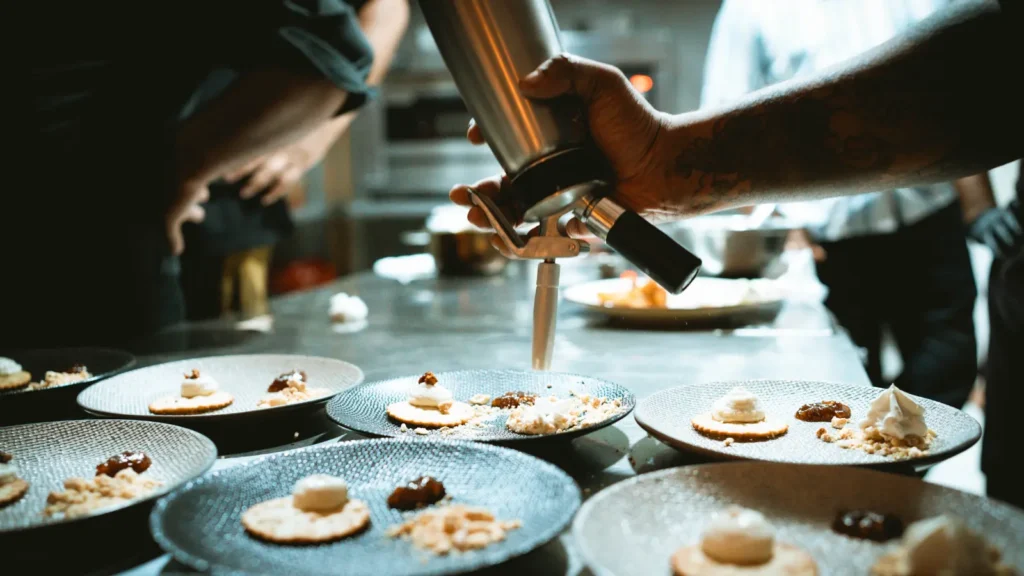
The chef’s table was born from the practice of a chef’s family and friends being entertained in the kitchen while watching their loved one work. For many Sri Lankans, sitting around the dining table at home, this was the chef’s table we grew up at. For many chefs, this was also their very first training ground.
Sri Lanka got its first taste of the chef’s table concept in 2014 through Trekurious’ curated private dining events. Hosted in a restaurant setting and centred around showcasing a chef’s skills or a hero ingredient, they introduced diners to a format borrowed from the world of fine dining. A year later, however, chef Andrew Speldewinde would take the idea in a different direction, opening the doors of his home to strangers. While early chef’s table experiences introduced the format to Sri Lanka, Speldewinde expanded the idea, bringing it into his own home and blurring the line between chef’s table and supper club.
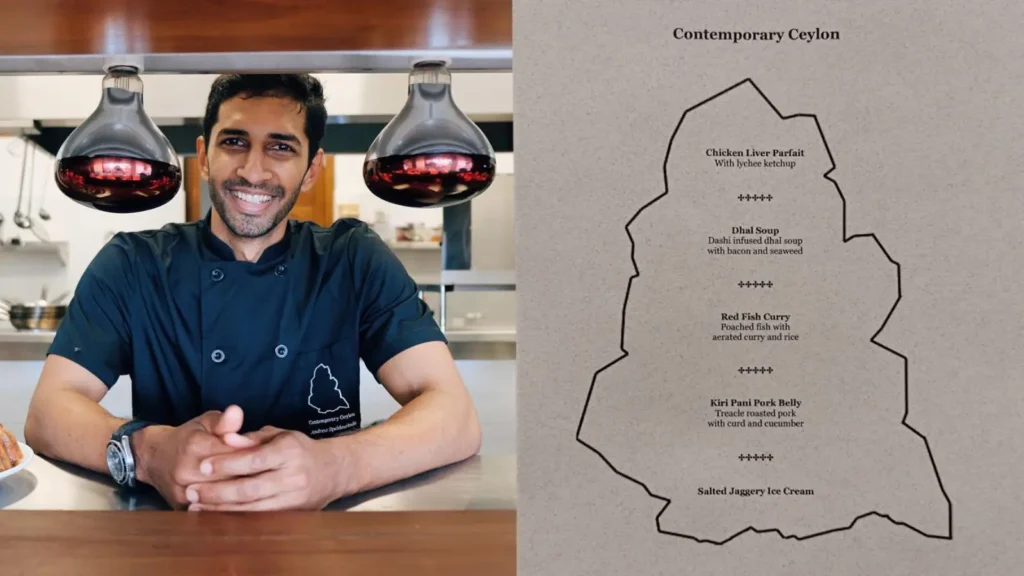
Speldewinde founded Contemporary Ceylon as an experience where guests could book an evening of dining on a tasting menu at his family apartment overlooking Galle Face Green. In the early days, Speldewinde may have been missing formal culinary training, but his knack for hospitality was developed at home, watching his parents. ‘Whether they’re hosting someone for a dinner party or a Sunday lunch, they always went above and beyond for their guests’ he says.
At the time, Speldewinde got the word out about his creative outlet through Facebook posts and word of mouth. He would create three or four dinners a week while balancing his 9-to-5 until an article led to a wave of bookings. Almost overnight, seats around his dining table were booked out a month in advance. This was the turning point that made him realise there was an appetite for what newspapers referred to as his “home chef venture”. ‘The fact of the matter is that Sri Lanka just didn’t have anything interesting in its own cuisine,’ Speldewinde says, ‘People were happy to pay hundreds of dollars for an Italian or a French meal, but no one was really exploring Sri Lankan food and trying to do interesting things with it.’ Contemporary Ceylon turned diners into guests and offered them a new experience in Sri Lankan food that was uniquely elevated, and touched on the ‘similar overlapping stories of us growing up in Sri Lanka’, which was what Speldewinde notes as the factor that ‘really resonates with people.’
Speldewinde’s menus were equal parts inventive and nostalgic. A dessert he created featured an aerated Milo mousse on a biscuit crumb base dredged in Milo. The dish was inspired by a dessert Speldewinde remembers being served as a child; a friend’s mother’s speciality of vanilla ice cream garnished generously with Milo powder. An umami-heavy soup consisted of a dahl puree and dashi base, different types of seaweed, crispy bacon and coriander; an elevated version of his Burgher family’s approach of adding bacon to their parippu. For many guests, Contemporary Ceylon presented Sri Lankan food in a way they had never encountered.
While Speldewinde used the chef’s table to reimagine familiar Sri Lankan flavours, chef Dom Fernando approaches the concept through the lens of hospitality and community at his ten-seat chef’s table, Open Door Policy in Colombo 3. ‘I’m British Sri Lankan at the end of the day’, Fernando says, and the food he serves ‘is rooted in the authenticity of flavours from both Sri Lanka and the British Isles while using global techniques.’ The restaurant is designed to reflect his background with its local feel and build materials enhanced by an international lens, all in pursuit of what Fernando calls ‘real genuine hospitality.’ An experience that’s easy to lose sight of in a traditional restaurant setting, where tables have to be churned many times over on any given night just to pay the bills.
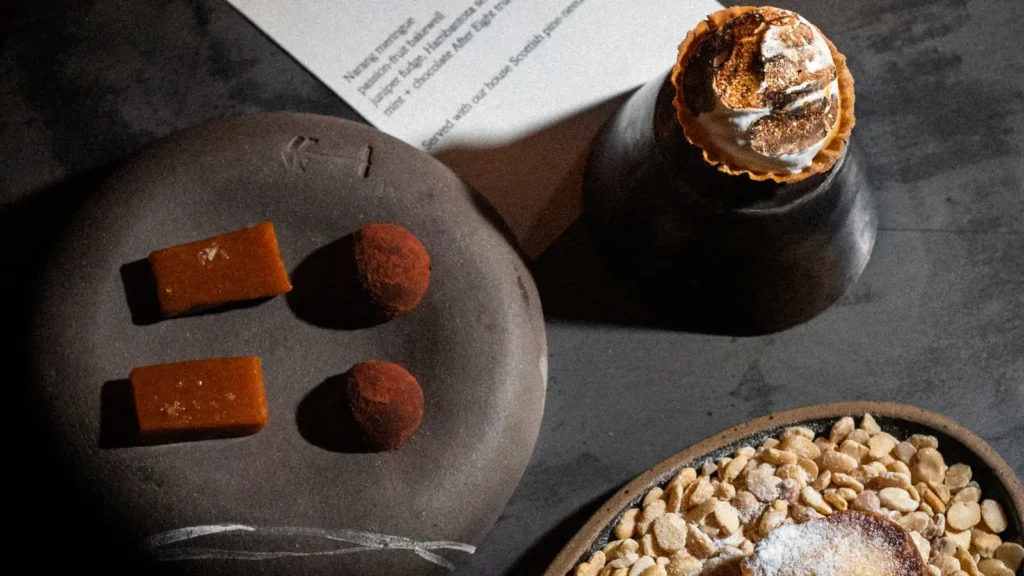
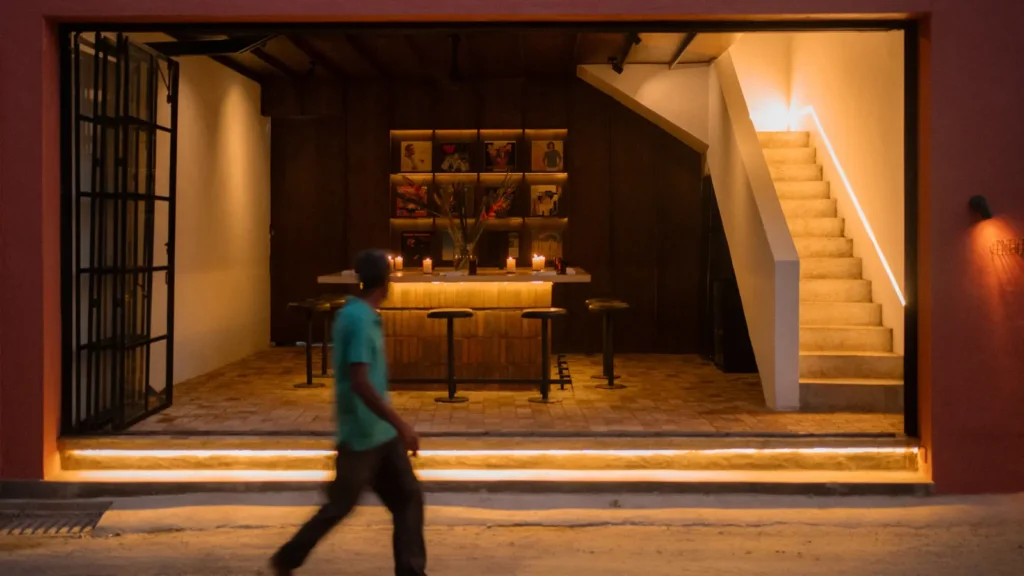
Fernando is careful not to reveal too much about the experience before guests arrive. What he is happy to share, however, is the bigger ambition behind Open Door Policy. His food draws on both Sri Lankan and British influences, using ingredients and techniques from further afield while remaining rooted in familiar flavours. One of the latest dishes, for example, pairs black garlic from the Isle of Wight with a hazelnut ganache inspired by the classic chocolate biscuit pudding. Guests begin the evening in a garage-turned-listening bar before taking their seats, but despite the carefully considered experience, Fernando is quick to point out that it remains firmly grounded in its surroundings. Fernando says, ‘You’re looking out onto our front-door neighbour playing cricket with his son up against the backdrop of our barbecue.’ The experience is grounded in the setting. But Fernando’s eye on the community goes beyond the neighbourhood of the restaurant. The bigger picture for him in returning to his roots is to show the next generation of Sri Lankan talent that going abroad isn’t the only option to live and work. ‘We can actually train people to deliver world-class experiences in this country’. The story of Open Door Policy evolves and writes itself. Retelling stories from the diaspora, and showcasing inventive twists on the deeply familiar dishes we all know and love. It’s a reminder that even when our memories of food diverge, rooting a meal in community will always bring common ground.
At Belle Colombo, each chef’s table is driven by the traditional notion of a story. Nods to this aspect of the dining experience are everywhere, right down to each visiting chef’s curated menu dubbed a chapter. The first, ‘A Hunter’s Journey’, was accompanied by a poem by head chef Wishmalak Perera that set the scene for his eight-course tasting menu. The menu was based on a narrative Perera gravitated to about ancient indigenous hunting communities, and what their techniques and knowledge about native ingredients would look like in a fine-dining experience. The accompanying poem is a thoughtful nod to ancient stories that are often not written down, but passed through generations in poetry and song.
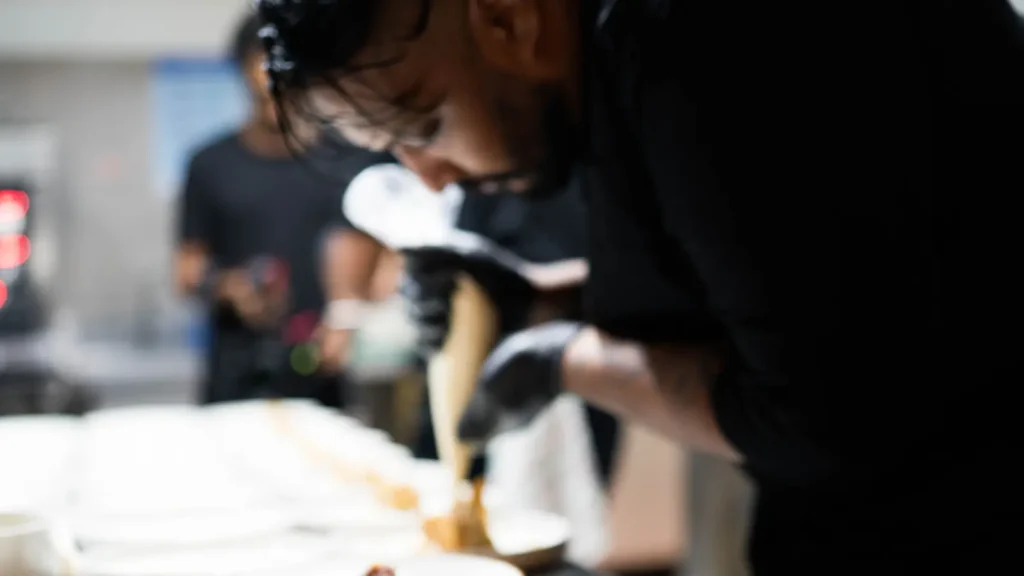
That commitment to storytelling extends beyond the narrative itself. Each chapter requires days of research, planning and preparation before diners ever take their seats. Preparations for chef Madushanka De Silva’s chapter at Belle began six days in advance. ‘It’s hours and hours, days and days where we put processes in place, we start breaking down meats, curing them, infusing … all for it to be gone in two minutes’, Perera says. Speldewinde too recalls undertaking a four-day process in his recipe for a seeni sambol gel that involved cooking the mixture at a very specific temperature for two to three days. Across each of these chef’s tables, the hours spent researching, preparing and refining a menu are largely invisible to diners. At Open Door Policy, for example, the final culmination of these efforts unfolds over a three-hour experience, supported by the hands-on efforts of the entire team. Each experience demands time, attention and connection to the meal and the people who brought it to life.
‘Eating was always meant to be together,’ Perera says. Communal eating experiences are at the heart of it all. Whether through dining in a group, the narrative woven through a meal or the presence of the chefs themselves, diners are invited to see food from a different perspective. Across each chef’s table, what is served reflects something deeply personal.
Perhaps that’s what diners are seeking when they pull up a seat at a chef’s table. Not simply a meal, but a glimpse into the people behind it. For Speldewinde, that might mean drawing on the flavours of growing up in Sri Lanka. For Fernando, it’s creating a space rooted in hospitality, community and a vision for what dining in Sri Lanka can become. At Belle, it’s about preserving traditions by finding new ways to tell them.
In many ways, the chef’s table echoes the role food has long played in Sri Lankan homes. Around the table, traditions are passed down, conversations unfold and relationships flourish. The appeal lies not only in the food itself, but in the opportunity to hear why a dish matters, where an idea came from and what it reveals about the people who created it.
A chef’s table promises to bring the familiar heart of hospitality back to the Sri Lankan dining experience. Not just because of the skill that reminds you that you are, in fact, eating at someone’s table, but because you get to know the hands that brought the meal together and they get to know you.