A deep dive into the culinary traditions of Sri Lanka’s North
Jaffna cuisine is not defined by heat alone. It is shaped by restraint, memory, and method — a cuisine built slowly over generations in kitchens where recipes were rarely written and knowledge was passed through practice.
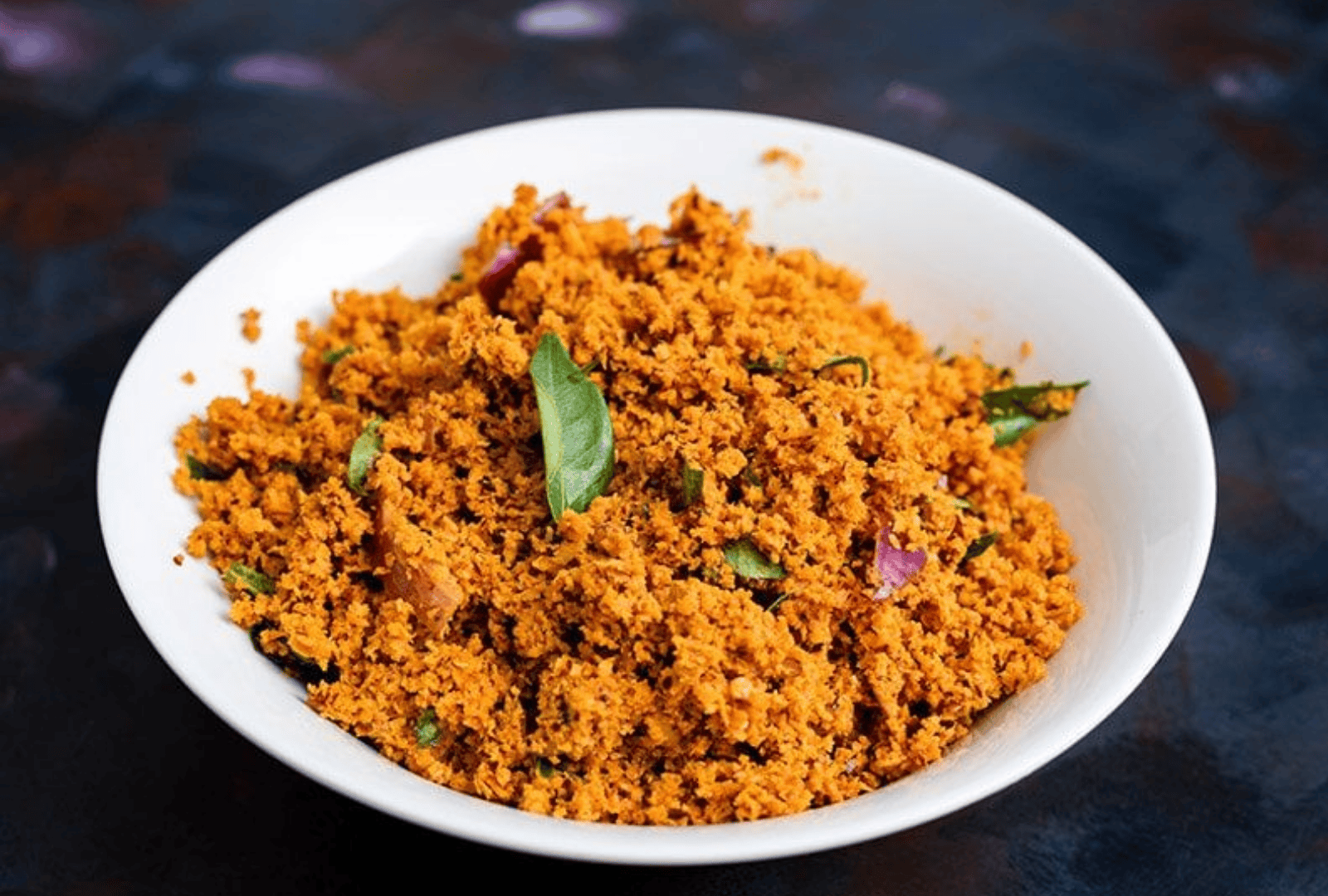
At the heart of Jaffna cooking lies balance. The sharpness of lime leaf, the depth of roasted spices, and the quiet sweetness of coconut milk coexist in careful harmony. Dishes are layered, never rushed, and always grounded in tradition.
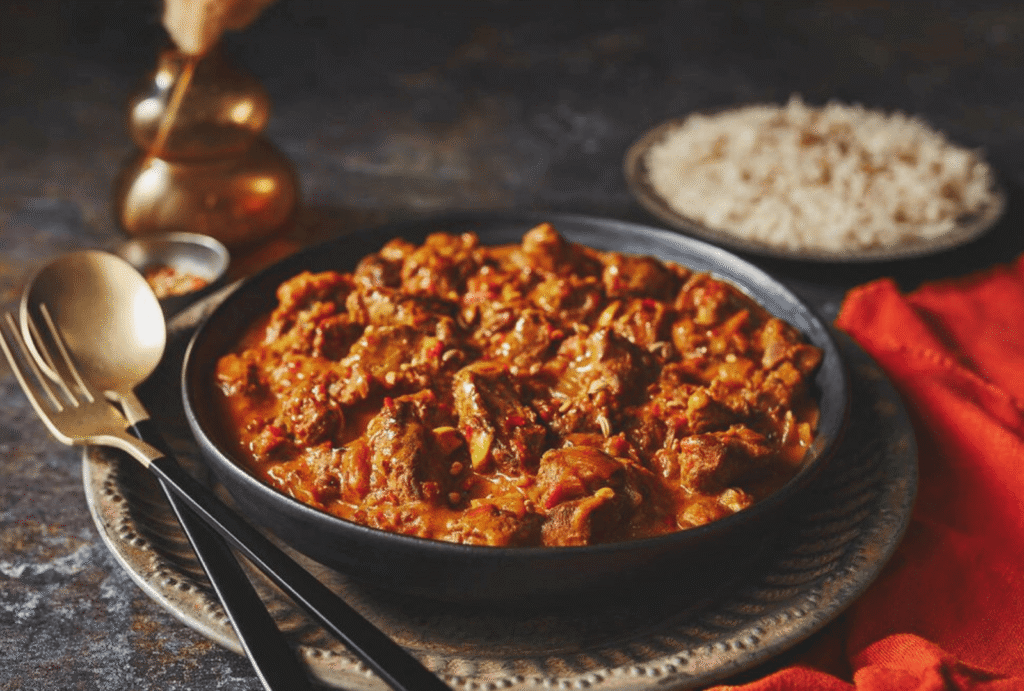
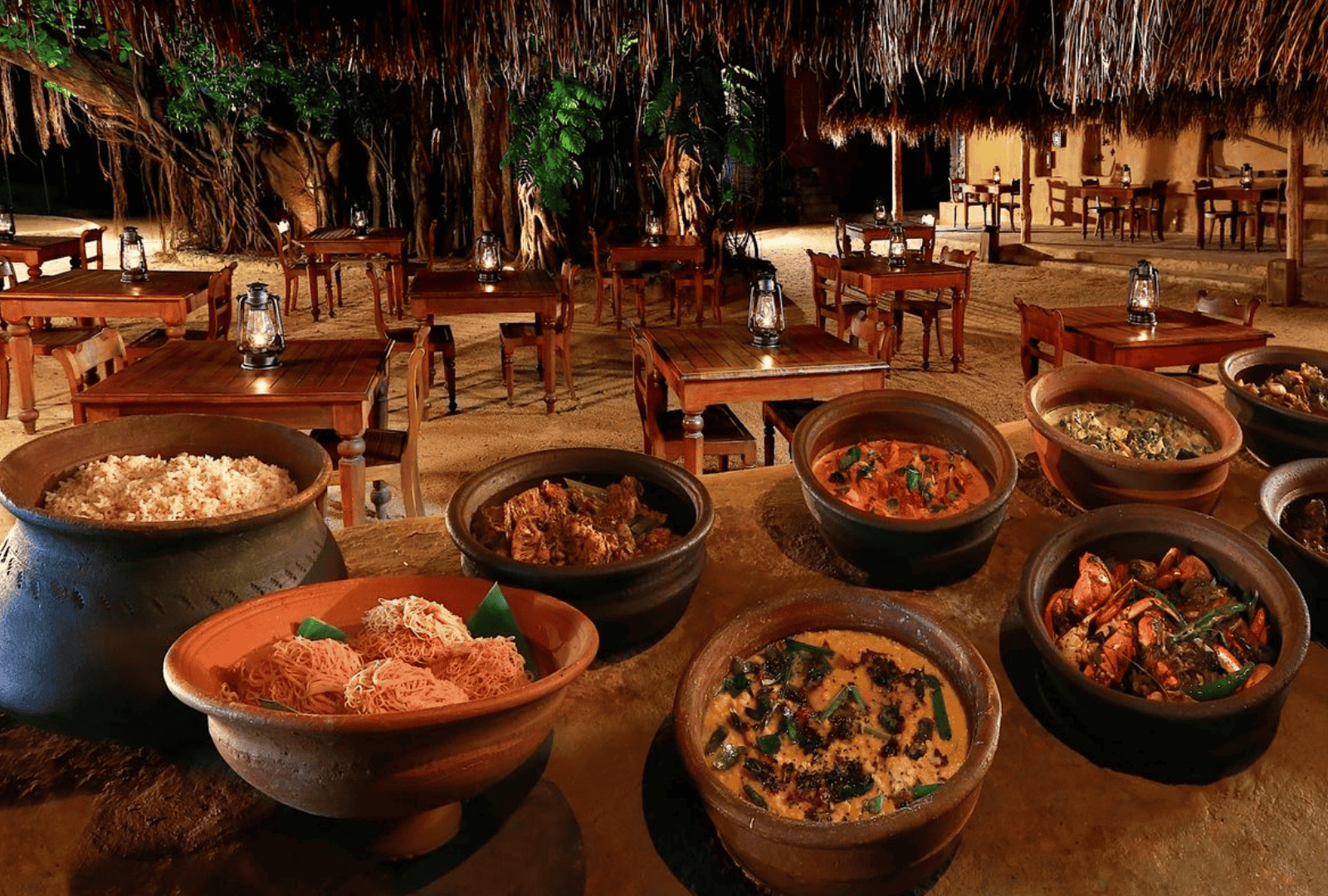
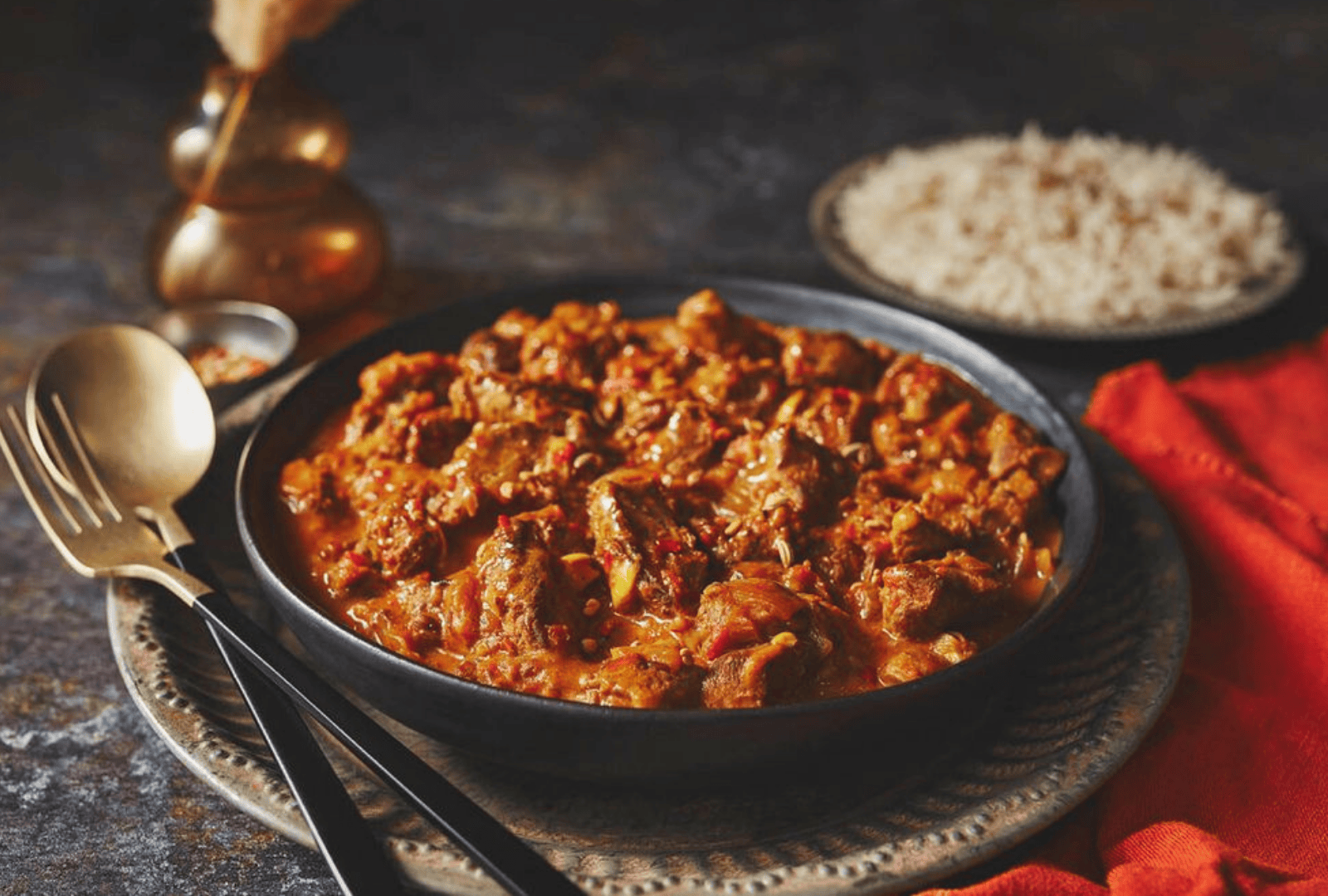
Seafood plays a central role, reflecting the peninsula’s geography and its close relationship with the sea. Crab curries, prawn sambols, and dried fish preparations speak of coastal life, preservation, and seasonality. Meat dishes — often goat or mutton — are deeply spiced yet patiently cooked, allowing flavour to build without overpowering.
Jaffna food does not announce itself loudly — it reveals itself slowly.
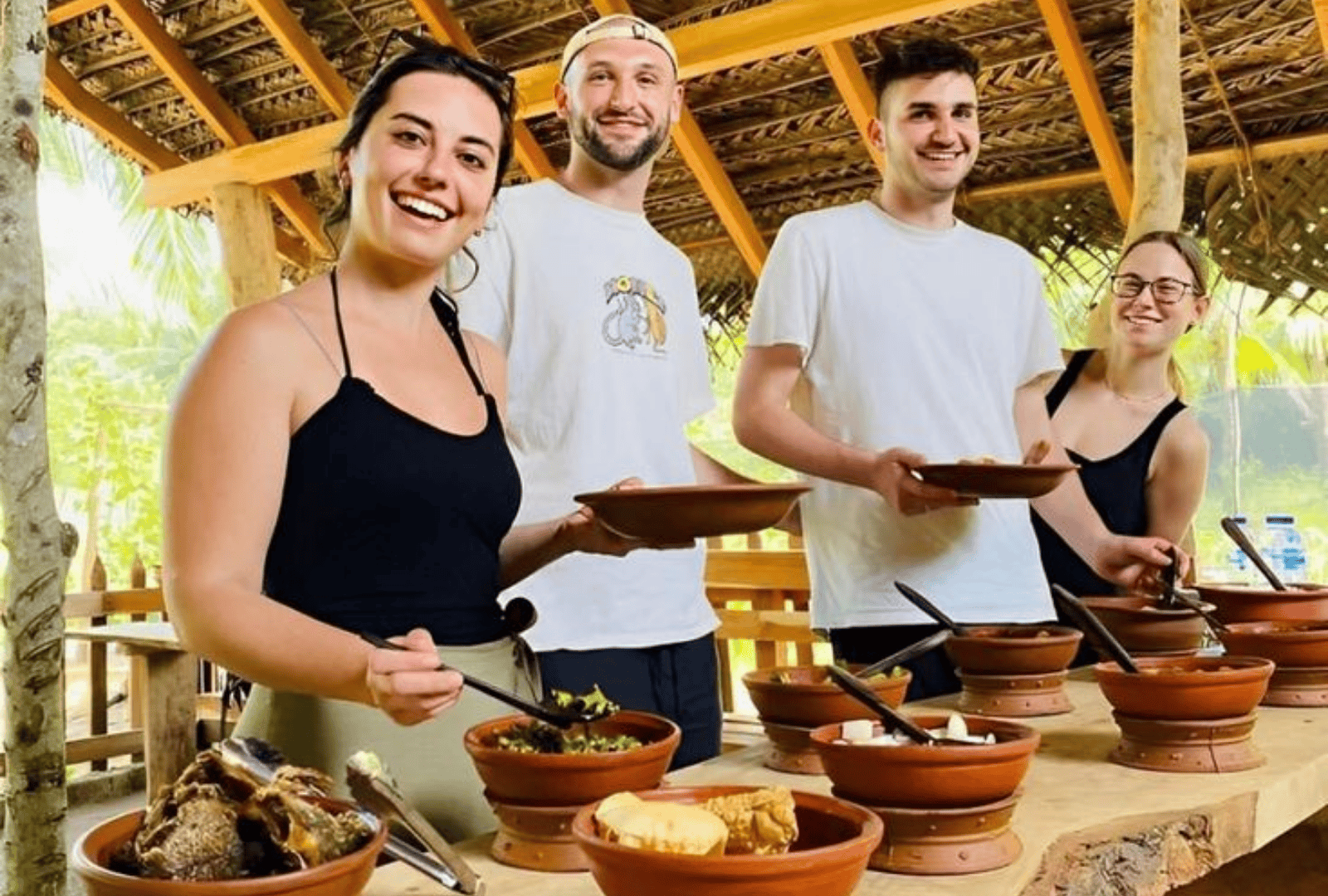
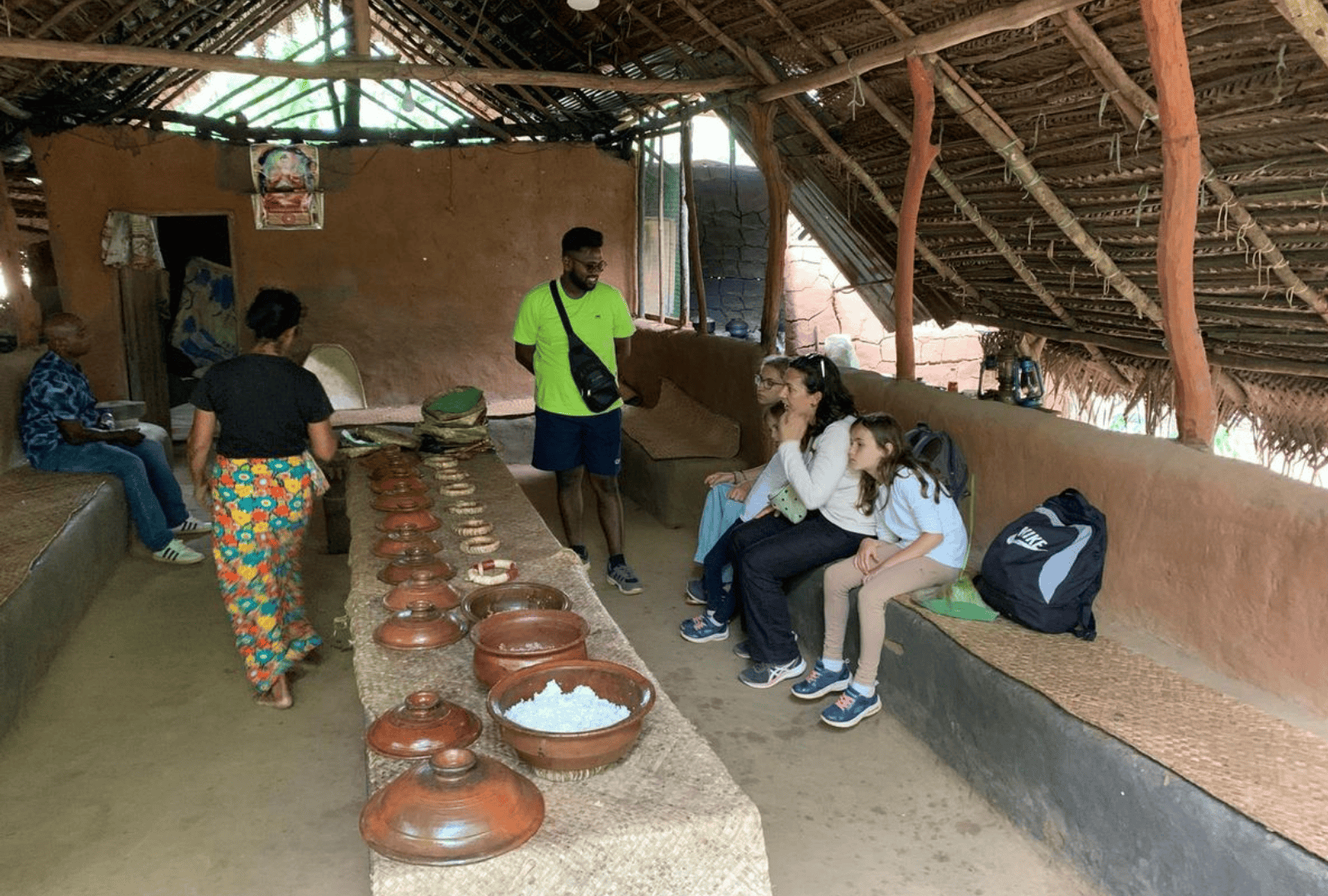
Cooking techniques favour patience. Spices are dry-roasted, ground by hand, and added in stages. Clay pots are preferred, believed to retain heat evenly and deepen flavour. Meals are communal — meant to be shared, discussed, and remembered.
What Defines Jaffna Cuisine?
Emphasis on roasted and layered spices
Careful balance of heat, acidity, and richness
Strong use of seafood and preserved ingredients
Slow-cooked meat dishes with depth, not excess
Clay pot cooking for flavour development
Techniques passed through generations
A Living Culinary Tradition
Today, as Jaffna cuisine finds new audiences beyond the peninsula, its essence remains unchanged. It continues to live in family kitchens — shaped by history, geography, and quiet repetition rather than trends.
To understand Jaffna food is to understand place. It is a cuisine that rewards time and attention.