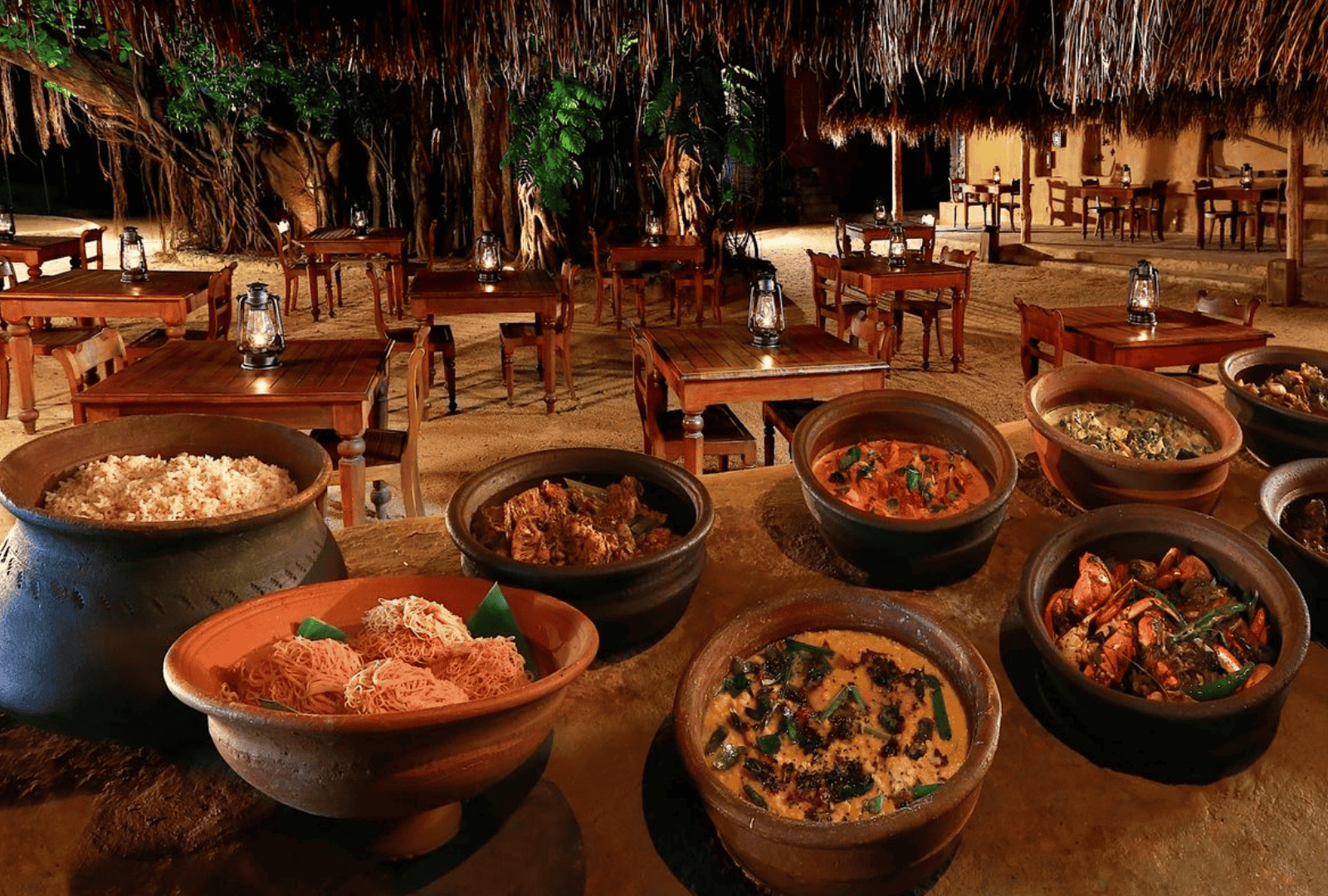
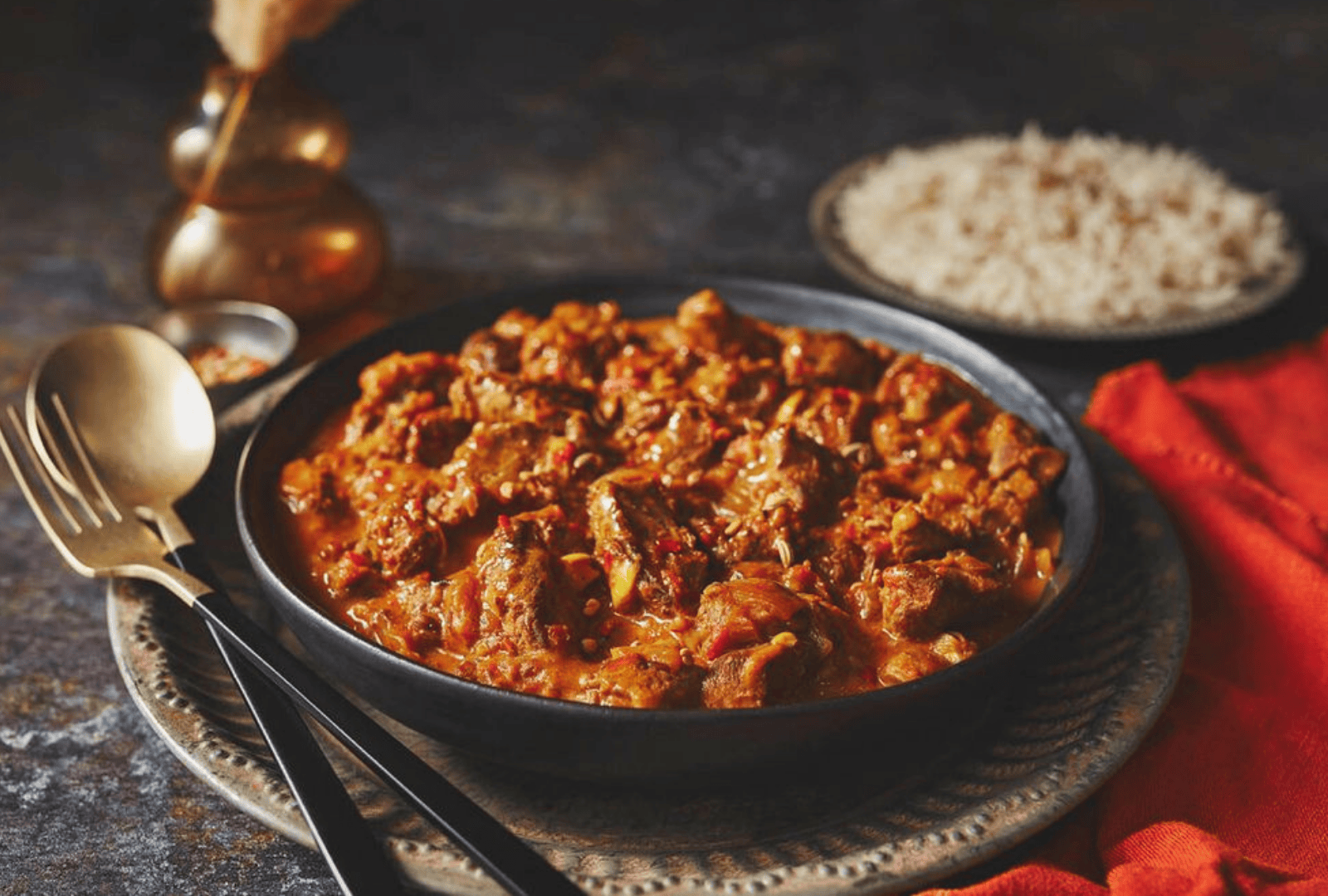
Rice is not simply a staple in Sri Lanka. It is structure, sustenance, and ceremony. Every grain carries the weight of labour, season, and land — shaping both daily meals and cultural rituals across the island.
Rice varieties differ by region, shaped by soil, climate, and tradition. Red rice, white rice, and fragrant heirloom grains are cultivated with care, each chosen for its resilience, flavour, and purpose. Farmers read the land closely, guided by rainfall patterns and ancestral knowledge passed through generations.
Harvests are communal. Fields are shared. Meals prepared from newly harvested rice are eaten with gratitude and ritual. Rice appears not only at the centre of daily meals, but also in festive offerings, religious observances, and moments of transition.
Modern consumption has shifted toward polished, commercial varieties. Yet interest in traditional rice is quietly returning. Once overlooked heirloom grains are being rediscovered for their nutrition, flavour, and cultural value — reconnecting kitchens to fields and farmers.
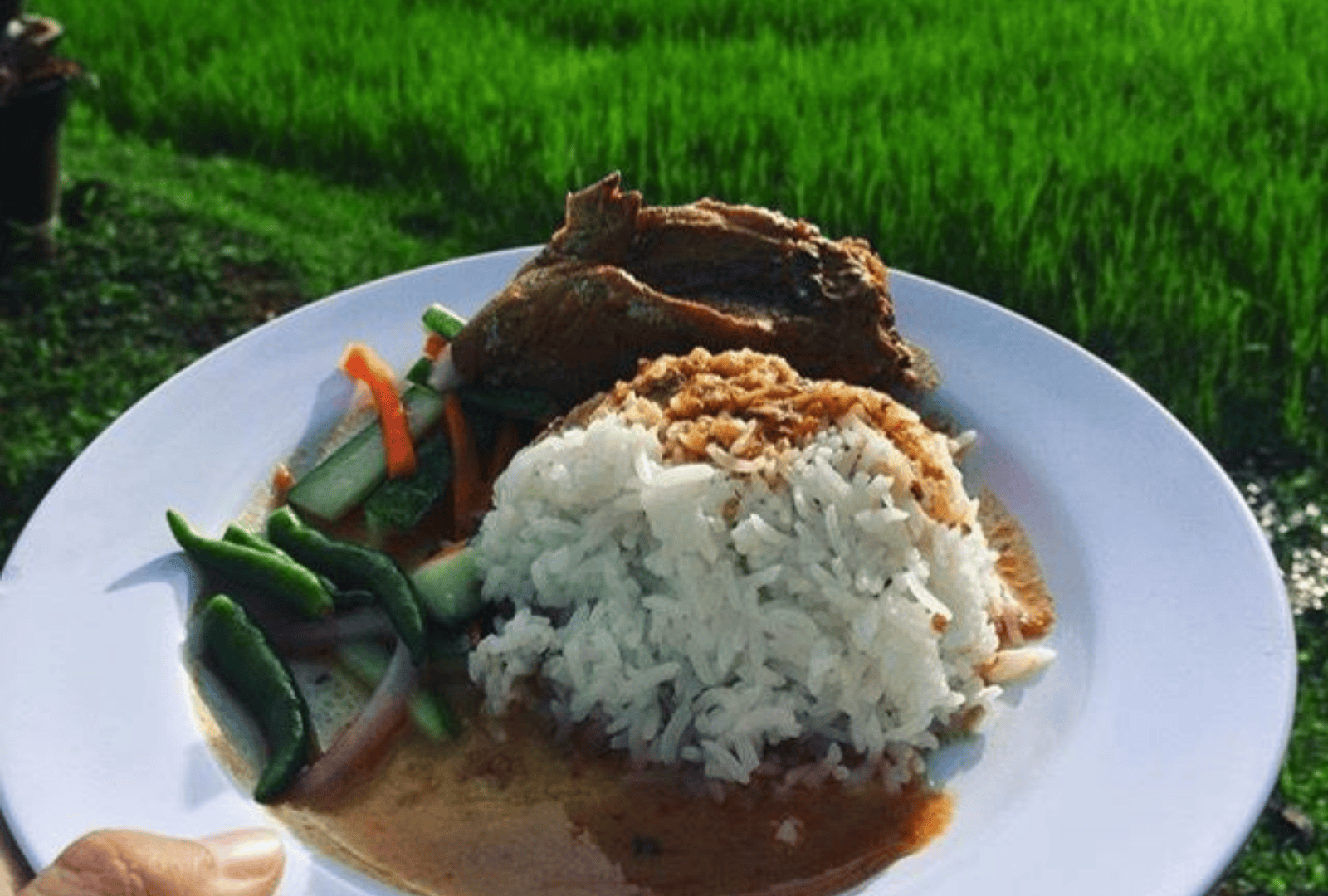
From the paddy field to the plate, rice remains central to Sri Lankan life.
It grounds cuisine in land, labour, and legacy — reminding us that food begins long before it reaches the table.